The "Safety Revolution" in Pet Grooming Tools: How Chinese Manufacturing is Breaking Through Under the EU's New Regulations
01 Regulatory Storm
The new European regulations have swept through the pet supplies industry like a storm. The act not only requires all pet grooming tools to have "zero risk of harm" but also introduces a pet "stress test" certification.
Scissors must be equipped with safety guards, electric clippers must not exceed a working temperature of 40°C, and even the color of the tools is specified in detail—the use of high-contrast colors that may frighten pets is prohibited.
These clauses have caught many traditional pet grooming tool manufacturers off guard. A century-old German pet tool company had its products pulled from shelves because the opening angle of its scissors "could potentially pinch the skin." A high-end Italian brand faced heavy fines after its electric clippers were found to exceed noise limits by 68 decibels.
Behind these seemingly harsh regulations lies the soaring value of Europe's pet economy. Currently, 80 million households in Europe own pets, and the pet grooming market exceeds €20 billion.
"This is not a trade barrier but a consumer upgrade," emphasized a representative from an animal welfare organization during a hearing. "Pets are transitioning from 'property' to 'family members,' and they deserve safer products."
02 Made in China
While European counterparts are busy with product recalls, production lines at Chinese pet tool factories are running at full speed. In a workshop in Ningbo, Zhejiang, specializing in pet grooming tools, workers are packaging the latest batch of safety grooming shears.
"We started developing products that meet the highest international standards three years ago," the workshop manager said, pointing to a pair of scissors with a pressure-sensing device. "When the scissors approach the pet's skin, they automatically slow down and emit a warning sound."
This foresight stems from two unique advantages of China's pet supplies industry. First, China boasts the world's most complete supply chain for hardware products, from specialty steel to precision bearings, with all raw materials available within a two-hour drive.
Second, the explosive growth of China's domestic pet market provides a testing ground. Between 2020 and 2023, demand for pet grooming services in China increased by 217%, driving rapid iteration of various innovative products.
"Domestic consumers are just as concerned about pet safety as those in Europe," said the founder of a Shenzhen-based smart pet products company. "The body temperature-monitoring grooming tools we launched were hugely popular domestically, which provided valuable data for our expansion overseas."
03 Breaking Through Certification
After the implementation of the new European regulations, certification became the biggest hurdle. Outside the newly established "Pet Product Safety Certification Center" in Brussels, Chinese companies lined up.
"Each product requires at least six months of live animal usage data, with a pass rate of less than 30%," admitted a representative from a Jiangsu-based company that recently obtained certification. "But we found that EU inspectors place particular emphasis on evidence from animal behavior studies."
To meet these requirements, the company collaborated with Nanjing Agricultural University to establish China's first "Pet Tool Comfort Lab." Researchers use technologies such as infrared thermal imaging and heart rate monitoring to quantitatively analyze the actual impact of each tool on pets.
Their breakthrough product—a deshedding comb designed according to the anatomical structure of a cat's neck—received extra points from the EU for "significantly reducing stress reactions during grooming." It sells for five times the price of ordinary products and is still in high demand.
Certification is not just a barrier but also a springboard for brand upgrading. Chinese pet grooming tools with EU certification have gained significantly higher recognition in markets such as Southeast Asia and the Middle East, creating a "EU certified, globally accepted" effect.
04 Design Revolution
Safety regulations are reshaping the design philosophy of pet grooming tools. In the pet product laboratory of the Guangdong Industrial Design Institute, designers have shifted their focus from "human ergonomics" to "animal ergonomics."
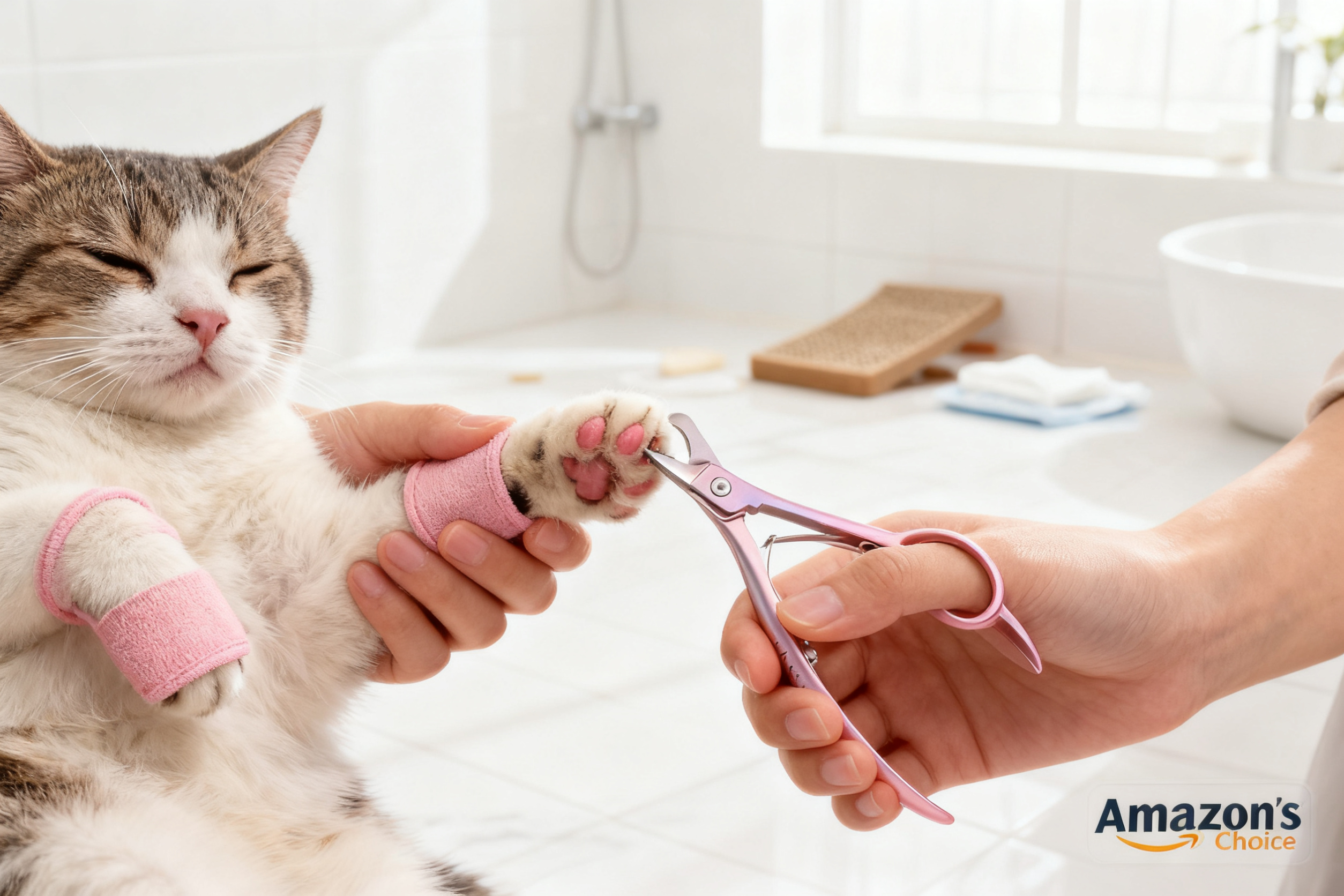
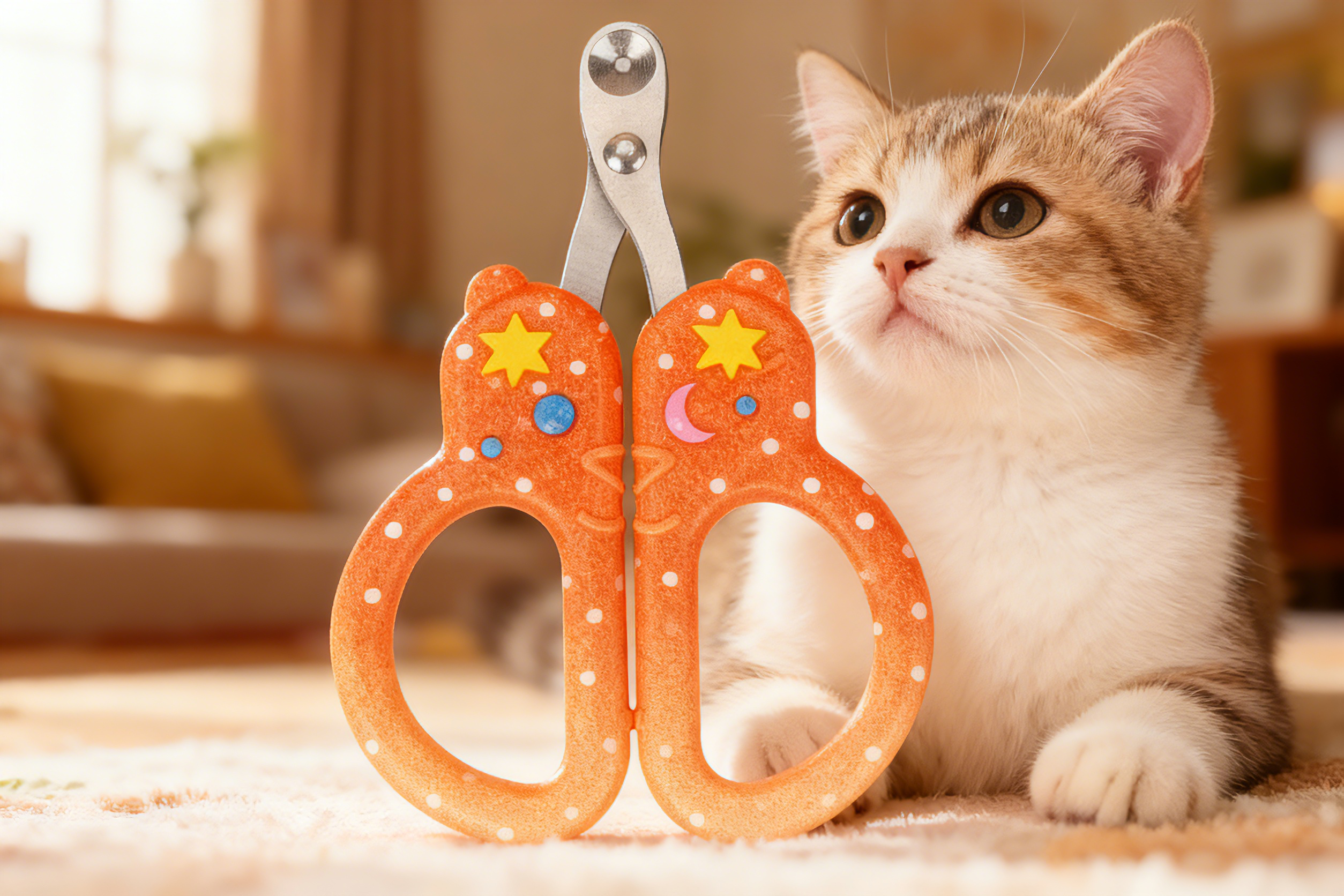
A seemingly simple pair of pet nail clippers now incorporates more than ten safety designs: pressure sensors prevent cutting too deep, special coatings enhance grip to prevent slipping, and curved blades adapt to the nail curves of different breeds.
The most innovative product is an intelligent electric clipper equipped with a built-in camera and AI chip. It can recognize the condition of a pet's skin, automatically avoid sensitive areas, and adjust power based on hair density.
"The fundamental shift in design thinking is that we've moved from 'designing for pets' to 'co-designing with pets,'" explained the design director, showcasing their user research methods—including collaboration with animal behaviorists to interpret pets' micro-expressions and body language when using the tools.
These innovatively designed Chinese products are reaching European consumers directly through cross-border e-commerce platforms. From January to May 2024, sales of safety pet grooming tools from China on AliExpress increased by 340% year-on-year, with Germany, France, and the Netherlands becoming the top three markets.
05 Ecosystem Expansion
The overseas expansion strategies of Chinese companies are also evolving, transitioning from single-product exports to an ecosystem of "tools + services + standards." A leading company in Shandong not only exports grooming tools but also provides training courses for European pet grooming salons.
They launched a "tool subscription service" in Europe, where customers pay a fixed monthly fee to access the latest safety tools, regular maintenance, and insurance. This model reduces the upfront investment for European grooming salons and has quickly gained market traction.
A deeper level of strategy involves participating in standard-setting. The China National Institute of Standardization, in collaboration with leading domestic companies, is drafting the Pet Grooming Tool Safety Guide and actively seeking alignment with the International Organization for Standardization.
"Whoever participates in setting the standards will hold the industry's discourse power for the next decade," pointed out an expert involved in drafting the guidelines. "China possesses the largest production data and user samples for pet tools, which is our unique advantage."
This ecosystem-based expansion is already showing results. In a high-end pet salon in Warsaw, Poland, everything from the grooming table to every pair of scissors is from a Chinese brand, and the shop proudly displays a "Safe Grooming Certification" issued by a Chinese institution.