The Silent Pet Pedicure Revolution: Inside TikTok’s Viral “3-in-1 Pet Nail Care Device” and the Cross-Border Buying Frenzy
1. The Design Ingenuity Behind a Viral Sensation
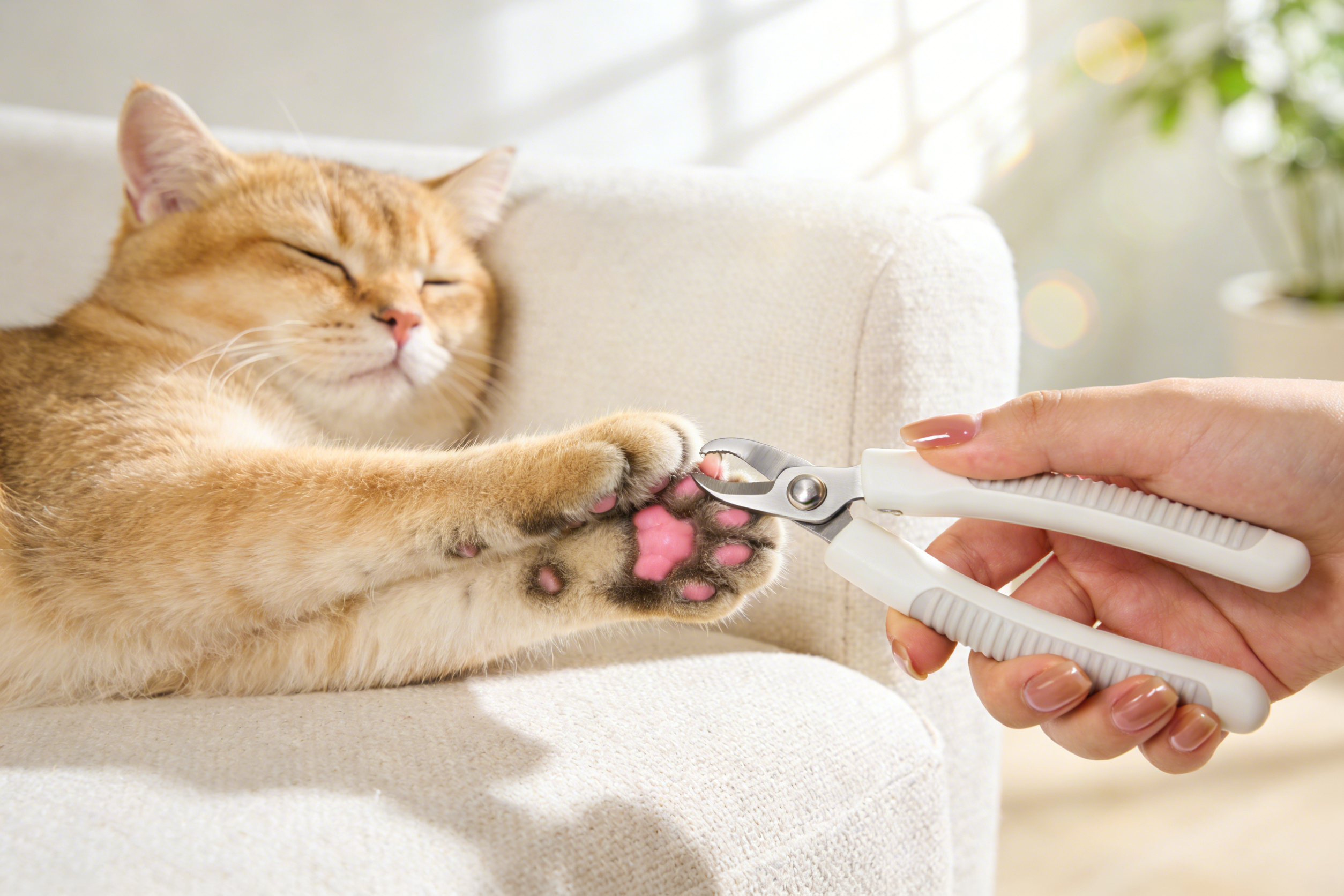
Traditional pet nail trimming comes with three major pain points: pet fear of sharp clippers, risk of cutting the quick (causing bleeding and pain), and pet resistance. This 3-in-1 device addresses each through smart design:
Silent Technology: It uses an ultra-quiet motor, operating below 40 decibels—comparable to a library whisper—greatly reducing noise-induced anxiety in sound-sensitive pets.
UV Illumination System: A built-in UV light clearly reveals the quick inside the nail, acting like an “X-ray vision” tool for owners to see the safe trimming zone.
Smart Safety Features: The filing head uses ceramic material and is equipped with contact sensors that automatically slow or stop upon touching skin, adding a layer of protection.
2. The Cross-Border Procurement Wave, Ignited by TikTok
The product’s path to virality is textbook modern e-commerce: first showcased by pet influencers in North America, it spread rapidly via TikTok’s algorithm to Europe and Australia, eventually sparking demand across Asian pet markets.
Mr. Wang, a sourcing manager at a Shenzhen cross-border e-commerce firm, shared: “In the past three months, we’ve received inquiries from over 20 countries. Monthly order volume jumped from 500 units to 20,000. At its peak, products were selling straight off the production line.”
At the Yiwu International Trade Market, samples of the device are prominently displayed. A veteran pet supplier, Mr. Li, noted: “This is one of the fastest-moving pet products I’ve seen. Many cross-border buyers come straight here after seeing it on TikTok.”
3. The Consumer Psychology and Market Forces Driving Demand
The trend towards human-grade pet care is a key driver. As more families treat pets as family members, spending is shifting from “essential” to “premium” care.
The 2023 Global Pet Care Market Report indicates that the pet grooming segment is growing at 18.7% annually—faster than food or medical care. Products under the “stress-free care” category, which reduce anxiety for both pet and owner, are particularly sought-after.
Animal behaviorist Dr. Chen explains: “This product succeeds by solving both a practical and an emotional problem. It offers a safer trimming method while alleviating the owner’s fear of hurting their pet—a dual solution that resonates deeply.”
4. Beyond the Hype: Quality Concerns and Sustainability
As demand soars, issues of product inconsistency have emerged. Industry insiders note over 30 brands now offer similar devices, priced from $20 to $80, with some cut-price versions posing risks.
“To reduce costs, some manufacturers use basic LEDs instead of proper UV lamps, which fail to reveal the quick. Others use standard motors that are far from quiet,” shared a cross-border quality inspection manager. “Such short-cuts damage trust in the entire product category.”
Furthermore, the question of sustained innovation remains. Some brands are already adding features like nail polish application or developing different file heads for various pet sizes. Market analysts note: “A single viral product has a limited lifecycle. Long-term value lies in continuously identifying pet care pain points and iterating solutions.”
5. Opportunities and Challenges for Chinese Supply Chains
Manufacturing is concentrated in China’s Pearl and Yangtze River Delta regions. The country’s integrated electronics supply chain enables rapid mass production—everything from motors and LEDs to molding can be sourced locally.
Challenges, however, are clear: weak IP protection leads to fast copying, price wars squeeze R&D investment, and limited international brand recognition persists. Many factories remain in the “order-taker” phase, lacking brand-building and marketing capabilities.
“We’ve started collaborating with domestic designers on the next generation,” said a production manager in Ningbo. “To compete globally, we must move from manufacturing to creating.”