Market Concentration and Competitive Landscape of the Global Pet Nail Clippers Market: Safari and Dremel Lead as Chinese ODMs Break Through (2026 Outlook)
Executive Summary: A Market at a Inflection Point
The global pet nail clippers market is on a steady growth trajectory. According to recent industry forecasts, the market—including both feline and canine segments—is projected to grow at a compound annual growth rate (CAGR) of approximately 5% to 7% from 2026 to 2032, building on a valuation that approached US$900 million in 2025 .
The market is bifurcated by animal type (canine vs. feline) and tool type (scissor-style, guillotine-style, and grinders). While manual clippers still dominate in terms of volume, the grinder segment, led primarily by Dremel, is the fastest-growing category due to pet owner concerns over safety and the "quick" (the blood vessel within the nail).
Key Takeaway for 2026: The market is no longer just about cutting a nail; it is about safety, precision, and the user experience. This shift in consumer demand is the primary catalyst for both the success of the incumbents and the rise of the Chinese ODM players.
Competitive Landscape: The Titans and The Challengers
The competitive structure of the pet nail clippers market can be visualized as a "Barbell" distribution, with powerful branded players at the top and a highly competitive, fragmented base of manufacturers in the middle.
1. The Leaders: Brand Equity and Specialization (Safari, Dremel, Andis, Wahl)
The premium tier of the market remains consolidated under a few key names that have successfully transitioned from professional grooming tools to the consumer at-home market.
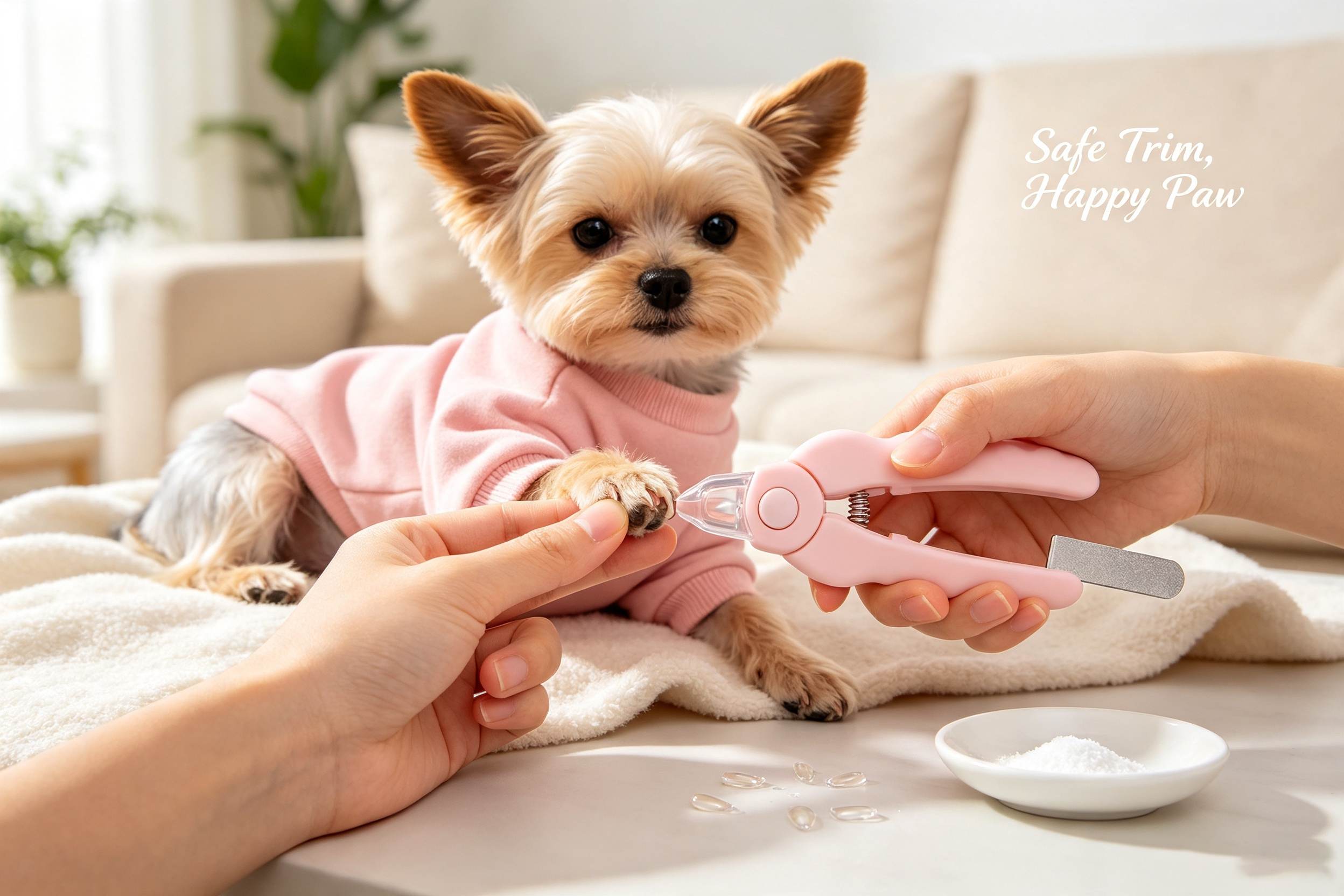
Safari (A Leading Brand in Feline Care): Safari has emerged as a dominant force, particularly in the feline-specific nail clipper segment. In a market historically dominated by canine tools, Safari's laser focus on the unique anatomy of cat claws has paid dividends. Their stainless steel, safety-guard clippers are frequently cited as the top choice by veterinarians and retailers. Safari holds a significant share of the "professional-recommended" consumer segment, which commands higher price points and fierce brand loyalty .
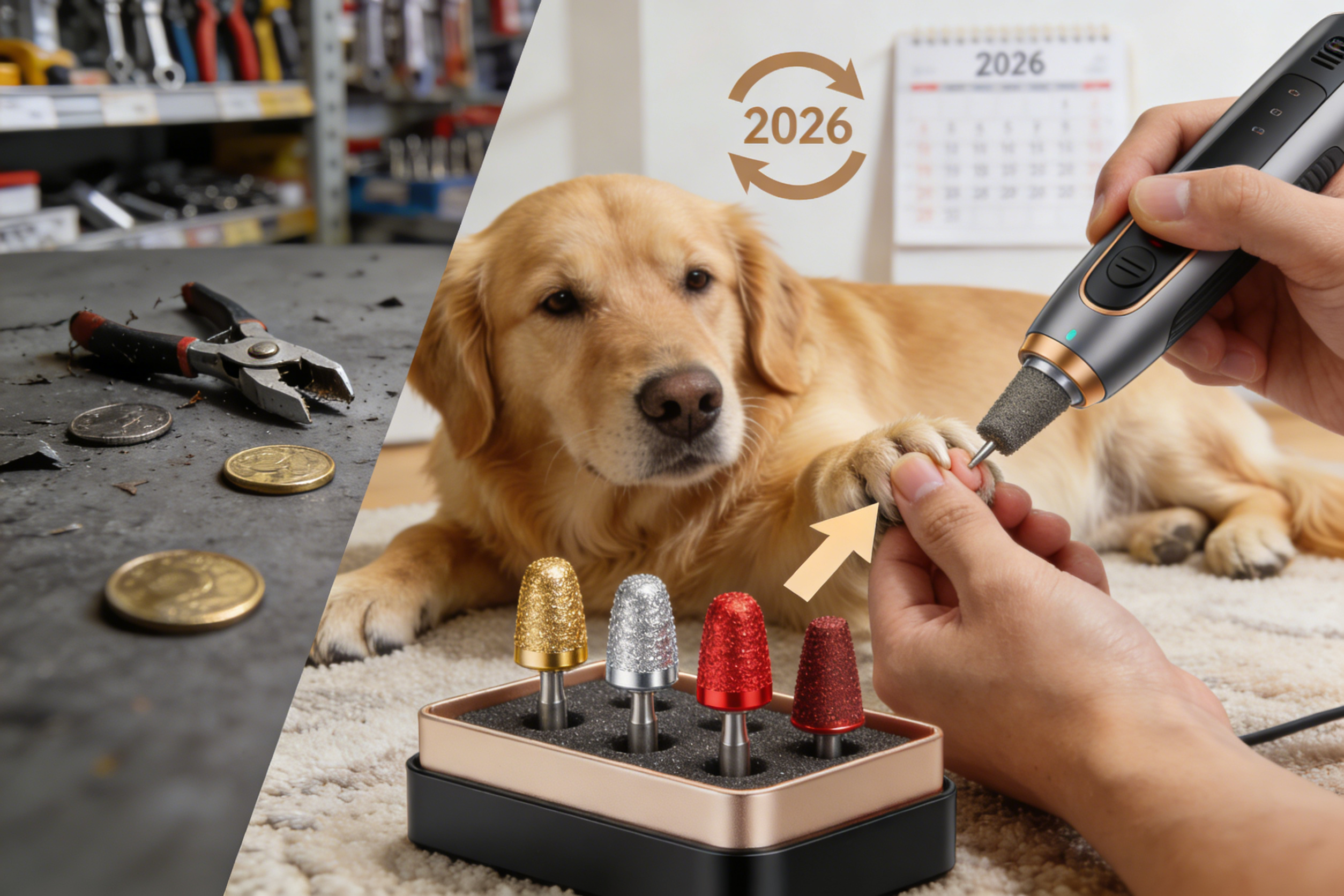
Dremel (The Grinder King): When discussing pet nail care, Dremel is synonymous with the grinding method. A subsidiary of Bosch, Dremel successfully repurposed its rotary tool technology for the pet industry. In the dog nail grinder market, Dremel holds a dominant market share, particularly in North America and Europe. Their "PawControl" and cordless models are the gold standard for pet owners afraid of cutting the quick. While technically a power tool company, Dremel's branding in the pet aisle is so strong that it effectively functions as a pet care leader .
Wahl and Andis: These players bring decades of expertise from the human and animal grooming sectors. Wahl Clipper Corporation, in particular, leverages its vast distribution network to offer reliable, mid-to-premium priced clippers and grinders, capturing the "value and quality" segment of the market .
Market Concentration: Reports indicate that the top 5 to 10 players—including Safari, Dremel, Wahl, Spectrum Brands (which owns several pet brands), and Central Garden & Pet—account for a substantial portion of global revenue, estimated between 35% to 45% .
2. The Specialized Challengers: Millers Forge, Epica, and Furminator
Beyond the top tier, there is a robust second tier of specialized competitors.
Millers Forge is renowned for its durability and is a staple in professional grooming salons.
Epica and Pet Republique have gained traction through e-commerce platforms (like Amazon) by focusing on sleek design, ergonomic handles, and comprehensive kit packages (e.g., clippers + files + safety stops).
FURminator, known primarily for deshedding tools, leverages its brand recognition to offer nail care as part of a holistic grooming ecosystem, effectively cross-selling to its massive customer base .
The Great Disrupter: The Rise of Chinese ODM Manufacturers
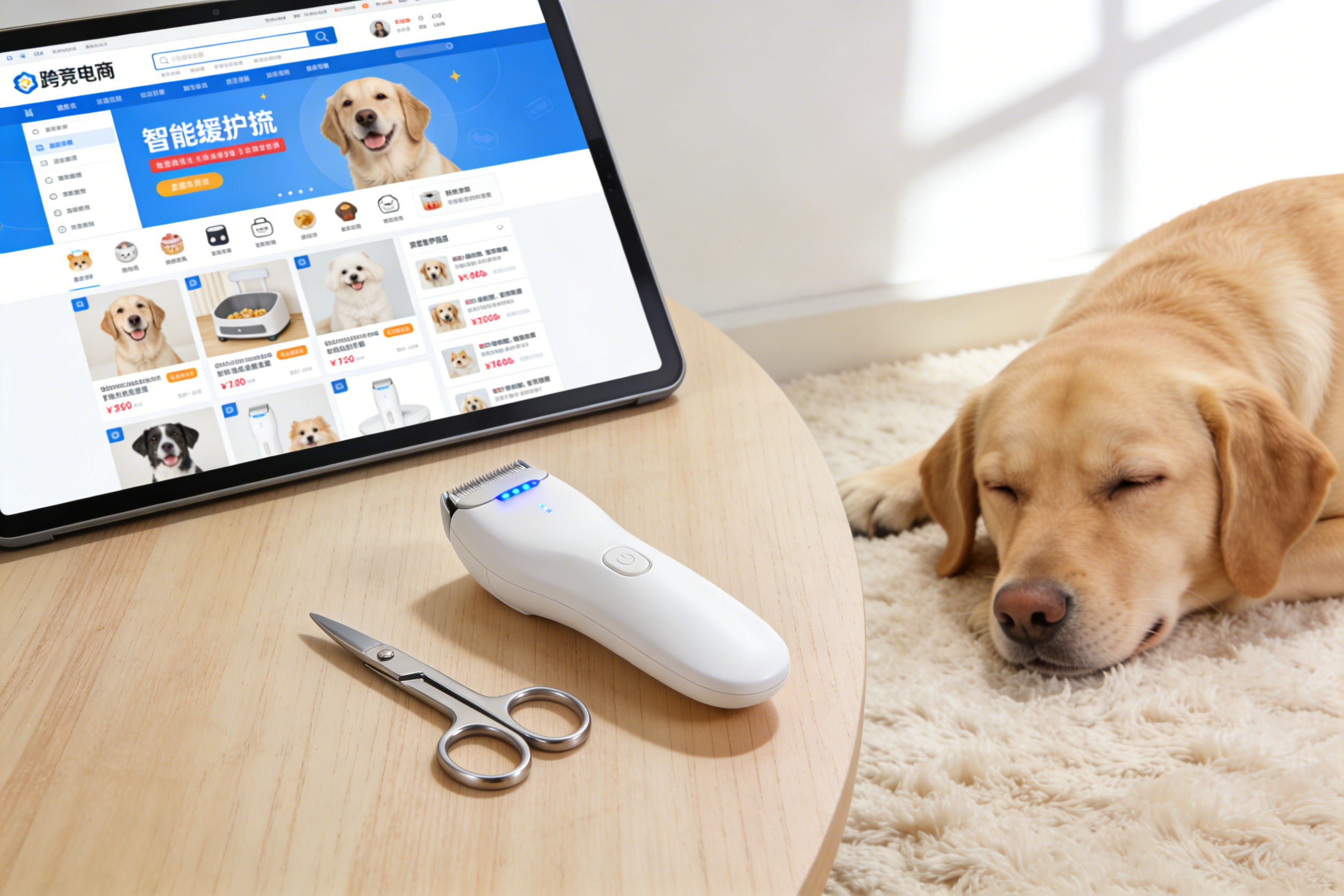
The most significant trend redefining the market in 2026 is not happening on the shelves of Petco or Pets at Home, but in the factories of Jiangsu and Guangdong. Chinese Original Design Manufacturers (ODMs) are breaking through the "manufacturing-only" ceiling to become innovation partners and private-label powerhouses.
Companies like Suzhou Baoli Pet Products Co., Ltd. and Dongguan Xuanliang Electronic Technology are no longer just low-cost assemblers . They have evolved into sophisticated R&D and design hubs.
The "Baoli Model": From OEM to ODM Dominance
Suzhou Baoli, established in 2004, exemplifies this shift. Initially a contract manufacturer, the company now boasts a professional R&D team offering diversified, personalized OEM & ODM services. They provide a "one-stop shop" for design, production, and export. For Western brands looking to launch a new line of ergonomic clippers without investing in their own factories, Baoli provides the blueprint and the finished product .
Factors Driving the ODM Breakthrough:
Design & Innovation Capabilities: Chinese ODMs have moved beyond copying. They are innovating in ergonomics, developing non-slip geometric grips, and experimenting with high-carbon stainless steel blends that rival traditional Western quality. They are instrumental in creating the "private label" products that populate the shelves of major e-commerce retailers and pet store chains .
Agility and Speed: In a market driven by social media trends (e.g., "silent" grinders for noise-sensitive pets), ODMs can turn a concept into a mass-produced product faster than the legacy giants.
Cost-Effective Customization: The barrier to entry for new pet brands has been lowered. An entrepreneur can now partner with an ODM to create a custom-branded nail clipper with unique features (like a safety guard or a nail file attachment) without owning a single piece of heavy machinery.
Quality Parity: Driven by export standards (particularly to Japan and Europe), leading ODMs now adhere to rigorous international quality inspections. Suzhou Baoli, for instance, explicitly states its products are inspected according to standards for the Japanese and European markets, effectively neutralizing the "quality gap" that once protected Western manufacturers .
Regional Market Dynamics: A Tale of Three Continents
The competitive landscape varies significantly by geography, influencing how both leaders and ODMs strategize.
North America: The Profit Pool
North America remains the largest revenue market, characterized by high spending per pet. Here, brand trust is paramount. Safari and Dremel reign supreme because American consumers are willing to pay a premium for a trusted, safe solution. However, even in this market, the influence of ODMs is felt. Many of the "value" brands sold on Amazon and in big-box retailers are sourced directly from these Chinese manufacturers, putting pressure on the mid-tier pricing .
Europe: The Quality and Safety Stronghold
The European market, led by Germany, France, and the UK, is highly regulated. There is a strong demand for sustainable materials and durable design. Competition here is fierce between US brands like Andis and European stalwarts like Ferplast S.p.A. and Rolf C. Hagen. Chinese ODMs are successfully penetrating this market by obtaining stringent CE and other certifications, assuring distributors of safety compliance .
Asia-Pacific: The Growth Engine and the Factory Floor
The Asia-Pacific region is a paradox—it is both the largest manufacturing base and the fastest-growing consumer market.
As a Market: Rising disposable incomes in China, Japan, and South Korea are fueling demand for premium pet products. Japanese consumers, known for their exacting standards, demand high-precision tools, which local manufacturers and Chinese ODMs are eager to supply.
As a Producer: Chinese companies are increasingly targeting the domestic Chinese market not just as manufacturers, but as brand owners. This "branding up" strategy poses a long-term threat to the Safaris and Dre-mels of the world .
Future Outlook: What 2026-2032 Holds
Looking toward the end of the decade, several trends will shape the competitive dynamics.
The "Smart" Nail Clipper: We are on the cusp of IoT integration. Concepts for "smart clippers" or grinder attachments that can detect the quick via sensors are in development. The company that commercializes this first—whether an incumbent like Dremel or an agile ODM—will redefine the market.
M&A Activity: Expect increased mergers and acquisitions. Large conglomerates like Spectrum Brands or Central Garden & Pet may look to acquire innovative ODM firms or smaller niche brands to secure supply chains and IP .
Sustainability as a Differentiator: As seen in the broader pet market, sustainability is becoming a purchasing factor. Brands that can offer clippers with recycled materials, fully recyclable packaging, and longer-lasting blades (reducing waste) will gain an edge. ODMs are crucial here, as they control the raw material sourcing.
Direct-to-Consumer (D2C) Challengers: Enabled by ODMs, smaller D2C brands will continue to chip away at the market share of traditional retailers, forcing legacy brands to invest heavily in their own online presence.
Conclusion
The 2026 global pet nail clippers market is a study in strategic balance. Safari and Dremel continue to lead through deep-seated brand trust and product specialization. They are the incumbents to beat. However, the walls surrounding the market are being systematically lowered by the capabilities of Chinese ODMs.
These manufacturers have successfully shifted the narrative from "Made in China" to "Designed and Engineered in China." By offering turnkey solutions, they are democratizing the market, allowing new entrants to compete on quality and design. For the established players, the path forward lies in doubling down on innovation, brand storytelling, and customer loyalty, while leveraging the very same ODM supply chains to optimize their own cost structures. The winners of 2032 will be those who best navigate this symbiotic yet competitive relationship between Western branding and Eastern manufacturing prowess.