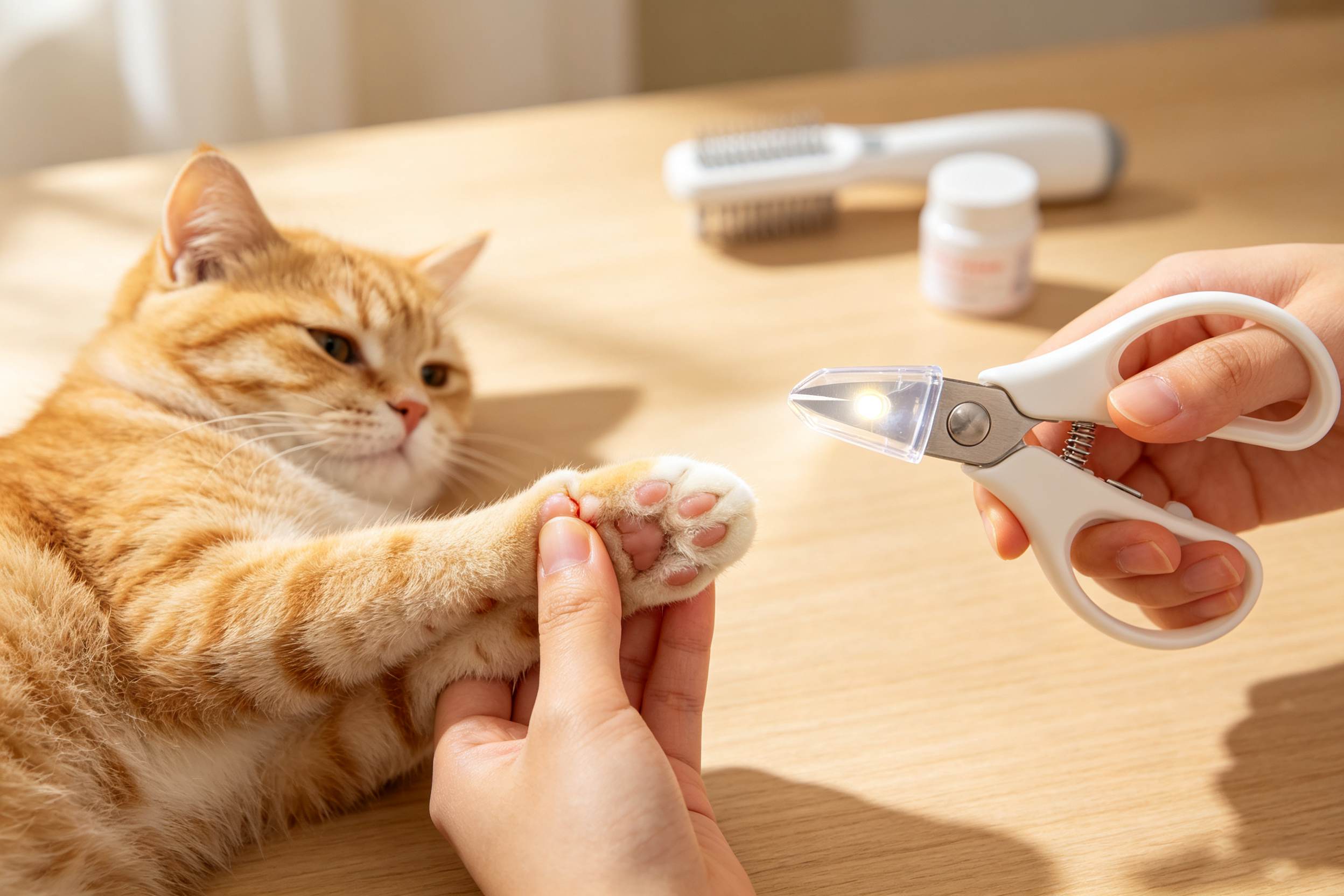
The Rise of DTC Models: How Chinese Pet Grooming Brands Are Tapping into Overseas High-End Markets via Independent Websites and Social Media Marketing
I. Market Transformation: Why Now Is the Prime Time for Chinese Brands
1. The Global Spread of Pet Humanization Trends
The global pet market is undergoing a profound consumption upgrade. In Europe and the United States, pets have long transcended the category of "animals" to become emotional family members. In 2023, the U.S. pet care market reached $136.8 billion, with high-end care products growing three times faster than mass-market alternatives. Consumers are no longer satisfied with basic functionality; instead, they seek professionalized, humanized, and design-centric products.
2. The Fusion of Supply Chain Advantages and Design Innovation
China’s pet product manufacturing has accumulated decades of supply chain expertise, from steel processing and anti-static technology to ergonomics and materials science, forming a complete industrial ecosystem. The new generation of Chinese brands no longer settles for OEM work but combines manufacturing strengths with original design, conducting in-depth R&D tailored to the hair characteristics of different dog breeds, the needs of professional groomers, and the comfort of pets.
3. Pandemic-Accelerated E-commerce Habit Formation
The pandemic has solidified global consumption habits, with pet owners increasingly inclined to research and purchase professional grooming tools online. The independent website model allows brands to control the entire user experience, from educational content to after-sales service, building direct trust relationships.
II. Breaking Through: The Triple Innovation of the DTC Model
1. Independent Websites: More Than Sales Channels, They Are Brand Experience Centers
Successful Chinese brand independent websites share the following characteristics:
Deep Integration of Content and Commerce: Rather than pushing products, they prioritize building a professional knowledge base. For example, on the website of the brand "PetDesignLab," 70% of the content consists of pet hair care tutorials, groomer interviews, and product development stories, with only 30% dedicated to direct sales.
Personalized Shopping Experience: Interactive Q&As help customers choose the most suitable products. Questions like "Are you dealing with matted fur or daily maintenance?" or "What breed is your pet, and what is their hair type?" guide a recommendation system that significantly reduces decision-making anxiety.
Transparent Supply Chain Narratives: Showcasing steel sourcing, factory environments, design sketches, and testing processes transforms the "Made in China" label into a promise of "meticulously crafted."
2. Social Media: Precision Targeting and Community Cultivation
Differentiated Platform Strategies:
Instagram: The home of visual storytelling. Content such as before-and-after grooming transformations, slow-motion brushing processes, and daily routines of groomers highlights product effectiveness and professionalism.
TikTok: The ground for viral content. Fifteen-second "satisfying" grooming videos, close-ups of pets enjoying grooming sessions, and demonstrations of innovative product features drive organic reach.
YouTube: The platform for in-depth education. Collaborative tutorial series with renowned pet groomers establish professional authority.
Pinterest: A source of long-tail traffic. High-quality product usage scenarios are saved by users, generating sustained and targeted traffic.
Evolving KOL Collaborations: Moving from paid promotions to ecosystem co-creation. Leading brands no longer simply buy ads but collaborate with pet groomers, veterinarians, and behavioral experts to develop content, even involving them in product testing and improvements, forming a community of shared interests.
3. Product Strategy: The Leap from Tools to Solutions
The high-end market does not accept "good enough" products. Leading brands focus on three directions:
Professional Segmentation: Developing specialized grooming series for specific dog breeds (e.g., Poodles, Golden Retrievers, Corgis), and even offering different product combinations based on seasons and hair conditions.
Experience-Centric Design: Prioritizing not only grooming outcomes but also the pet’s comfort. Anti-static technology, rounded tips, and massage-inspired brush heads transform grooming from a "chore" into an "enjoyable experience."
Sustainability Initiatives: Using recyclable materials, simplifying packaging, and offering replaceable blade heads instead of disposable tools align with the eco-conscious values of Western consumers.
III. Challenges and Responses: The Inevitable Path to Brand Premiumization
1. Cultural Differences and Localization
A U.S. pet owner once complained, "This brush works well, but the English instructions confused me." Language localization is just the first step; deeper understanding involves grasping local pet culture, grooming standards, and regulatory requirements. Successful brands establish local teams or partner with specialized agencies in target markets to ensure everything from product naming to marketing messaging resonates within the local context.
2. Building Trust and Accumulating Reputation
To address doubts like, "Can Chinese brands last?" leading brands adopt transparency strategies: publishing material test reports, offering extended warranties, implementing user review systems, and responding promptly to after-sales issues. One brand even introduced a "365-day unconditional return policy," dismantling biases through action.
3. Balancing Logistics and Experience
How can overseas consumers enjoy a shopping experience comparable to local options? Top brands establish overseas warehouses in key markets, reducing delivery times from 30 days to 3–5 days, while providing clear logistics tracking and hassle-free return services.
4. Avoiding the Price War Trap
Maintaining a high-end positioning requires courage and determination. When competitors engage in price promotions, these brands focus on building moats through product innovation, value-added services, and brand storytelling. The consensus narrative becomes: "We are not just selling brushes; we are providing professional pet care solutions."
IV. Future Outlook: From Product Globalization to Ecosystem Globalization
The next phase of competition will revolve around three dimensions:
Intelligent Upgrades: Integrating sensors to record grooming data, analyzing pet skin and hair health via apps, and offering personalized care recommendations.
Service Expansion: Moving from selling products to providing online grooming courses, certification training, and groomer community operations, building a pet care ecosystem.
Sustainable Closed-Loop Systems: Establishing product recycling and refurbishment programs, exploring subscription services, and shifting from one-time transactions to ongoing user relationships.
Conclusion: Redefining the Meaning of "Premium"
The words of Hanna, a German pet groomer, are worth reflecting on: "Five years ago, my toolkit was filled with European brands. Now, my two favorite brushes are both from China. Not because they are cheaper, but because they truly understand the needs of pet groomers."
This wave of Chinese brand globalization driven by the DTC model is, at its core, a "return to value": placing product development depth, user experience refinement, and brand storytelling sincerity back at the heart of business. When a pet brush made in China is cherished by professional groomers at twice the price of local brands, this is not merely a commercial success but the beginning of China’s manufacturing sector exporting a new value narrative to the world.
The breakthrough in the pet grooming sector is just a microcosm of the global upgrade of Chinese consumer brands. Those brands that truly understand global market demands, adhere to product excellence, and skillfully use digital channels to engage sincerely with consumers are replicating similar paths across various niche markets. In this sense, every Chinese pet brush making its way into the world is redefining the image and potential of "Chinese brands" in the international marketplace.