Seasonal Shedding Season Arrives: Cross-border "Pet Combs" See Procurement Boom
The Troubles of Pet Shedding Season
For pets with long or double coats, such as cats and dogs, seasonal shedding is an inevitable physiological process. Statistics show that a medium-sized dog can shed millions of hairs during the shedding season, while cats shed a similarly astonishing amount. This not only creates a burden for household cleaning but may also trigger allergic reactions among family members and even affect the pet’s skin health. Untimely grooming can lead to matted fur, which traps moisture and breeds bacteria and parasites.
The Rise of "Shedding Busters"
In response to this seasonal demand, pet product manufacturers have continuously innovated, launching a variety of efficient deshedding tools. These products, with their unique designs and outstanding effectiveness, have earned the reputation of "shedding busters" in overseas markets, becoming popular commodities in cross-border procurement.
1. Self-Cleaning Slicker Brushes: The Lazy Pet Owner’s Best Friend
Self-cleaning slicker brushes are among the most popular pet grooming tools in recent years. They feature curved stainless-steel pins that easily penetrate the pet’s undercoat, efficiently removing loose dead hair. Their biggest highlight is the self-cleaning button on the brush back—a gentle push easily releases the collected hair from the pins, eliminating the hassle of cleaning traditional brushes. This design significantly reduces the time pet owners spend cleaning the brush, earning it the title of "lazy pet owner’s best friend."
2. Deshedding Gloves: Bonding While Removing Hair
Deshedding gloves combine the functions of brushing and petting, making them particularly suitable for pets sensitive to traditional grooming tools. The glove surface is covered with hundreds of tiny rubber nodules that effectively capture loose hair as the owner pets their pet normally. This design makes the grooming process more natural, reducing pet resistance, and is especially suitable for cats and sensitive dogs.
3. Double-Coated Rakes: Professional-Grade Grooming Tools
Double-coated rakes feature pins of varying lengths: longer pins groom the outer guard hairs, while shorter pins penetrate the undercoat to effectively remove dead hair and tangles. This type of brush is particularly suitable for double-coated dog breeds, such as Huskies, Golden Retrievers, and Corgis. Professional pet groomers recommend this brush as an essential tool for the shedding season, capable of reducing over 90% of non-natural shedding.
4. Silicone Grooming Brushes: Cleaning and Care in One
Silicone grooming brushes are made of food-grade silicone material. The soft silicone pins effectively remove loose hair while providing a comfortable massage for the pet’s skin. Many products also come with a hair scraper on the back, making it easy to remove pet hair from furniture and car seats—truly a multi-purpose tool. These brushes are especially suitable for short-haired pets and animals with sensitive skin.
Cross-Border Procurement Trends Analysis
According to data from cross-border e-commerce platforms, searches for "pet combs" increased by 180% year-over-year from March to May this year, while sales surged by an impressive 220%. North America, Europe, and East Asia are the primary procurement markets, with U.S. consumers showing the strongest demand for efficient deshedding tools.
Cross-border pet comb procurement exhibits the following trends:
Smart Upgrades: Some high-end products now integrate hair collection indicators that automatically remind owners to clean the brush when it’s full.
Eco-Friendly Materials: More consumers are opting for combs made from biodegradable materials to reduce plastic use.
Multi-Pet Adaptability: The same comb offers interchangeable brush heads with different pin spacings, suitable for various pet types and breeds.
Ergonomic Design: Emphasis on comfortable grip design to reduce hand fatigue during extended grooming sessions.
Expert Advice: How to Choose and Use Pet Combs
Pet grooming experts recommend considering the pet’s breed, coat type, and length when selecting a comb. Long-haired pets require more frequent grooming, ideally daily, while short-haired pets can be groomed 2–3 times a week. Always brush in the direction of hair growth, using gentle motions to avoid pulling.
For pets particularly resistant to grooming, experts recommend a gradual adaptation approach: first, let the pet familiarize itself with the comb’s scent and appearance; then, start grooming from less sensitive areas of the body. Keep grooming sessions short initially and reward the pet afterward.
Market Outlook
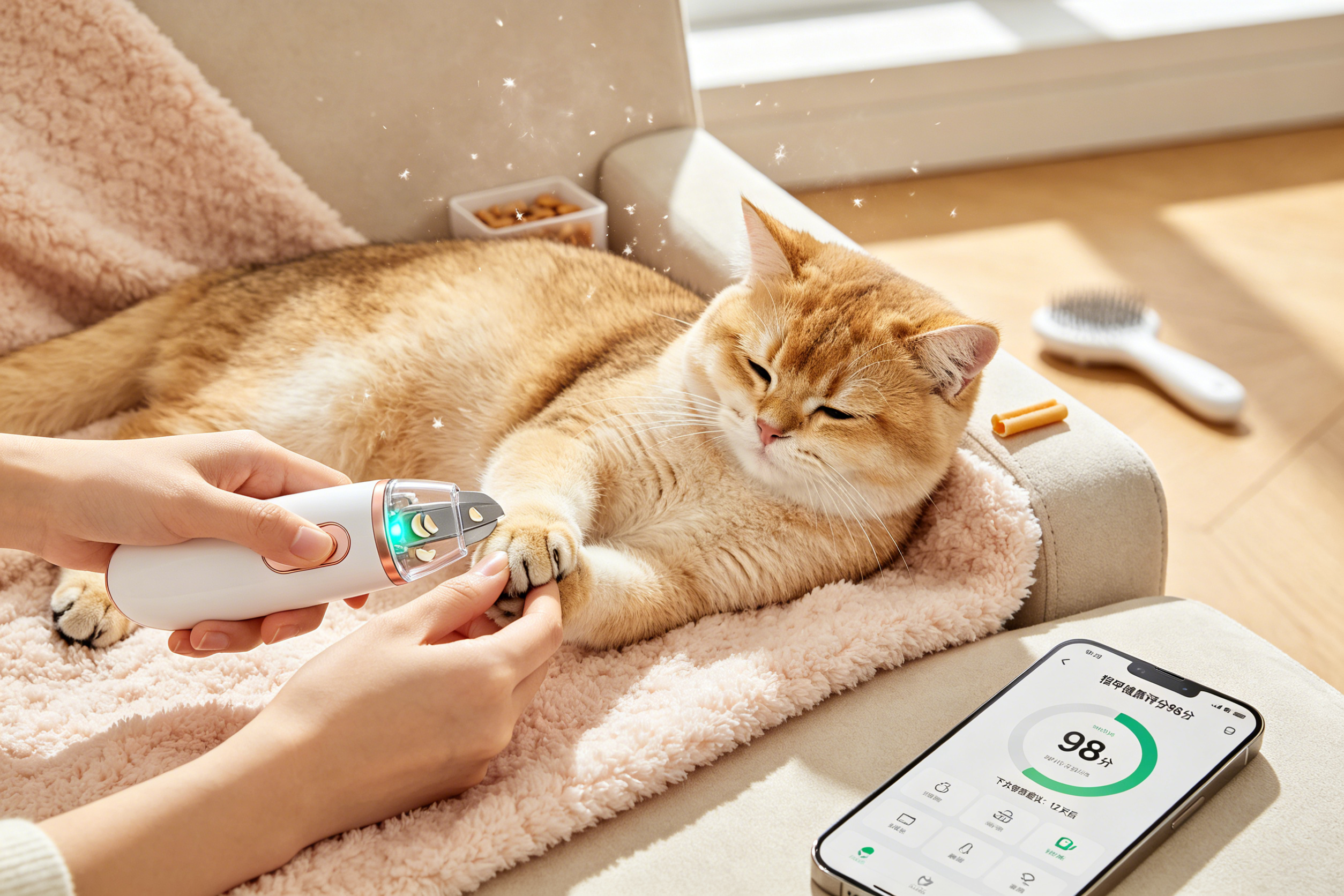
With the booming global pet economy, the pet care products market is expected to continue growing. In the future, pet grooming tools may incorporate more technological elements, such as sensors to monitor skin health or connectivity to mobile apps for tracking grooming data. Additionally, specialized products tailored to different pet breeds will become even more diverse.
This spring, as your pet begins to "shed snowflakes" at home, why not try these cross-border best-selling "shedding busters"? Make the shedding season easier and more enjoyable while strengthening the bond with your furry friend.