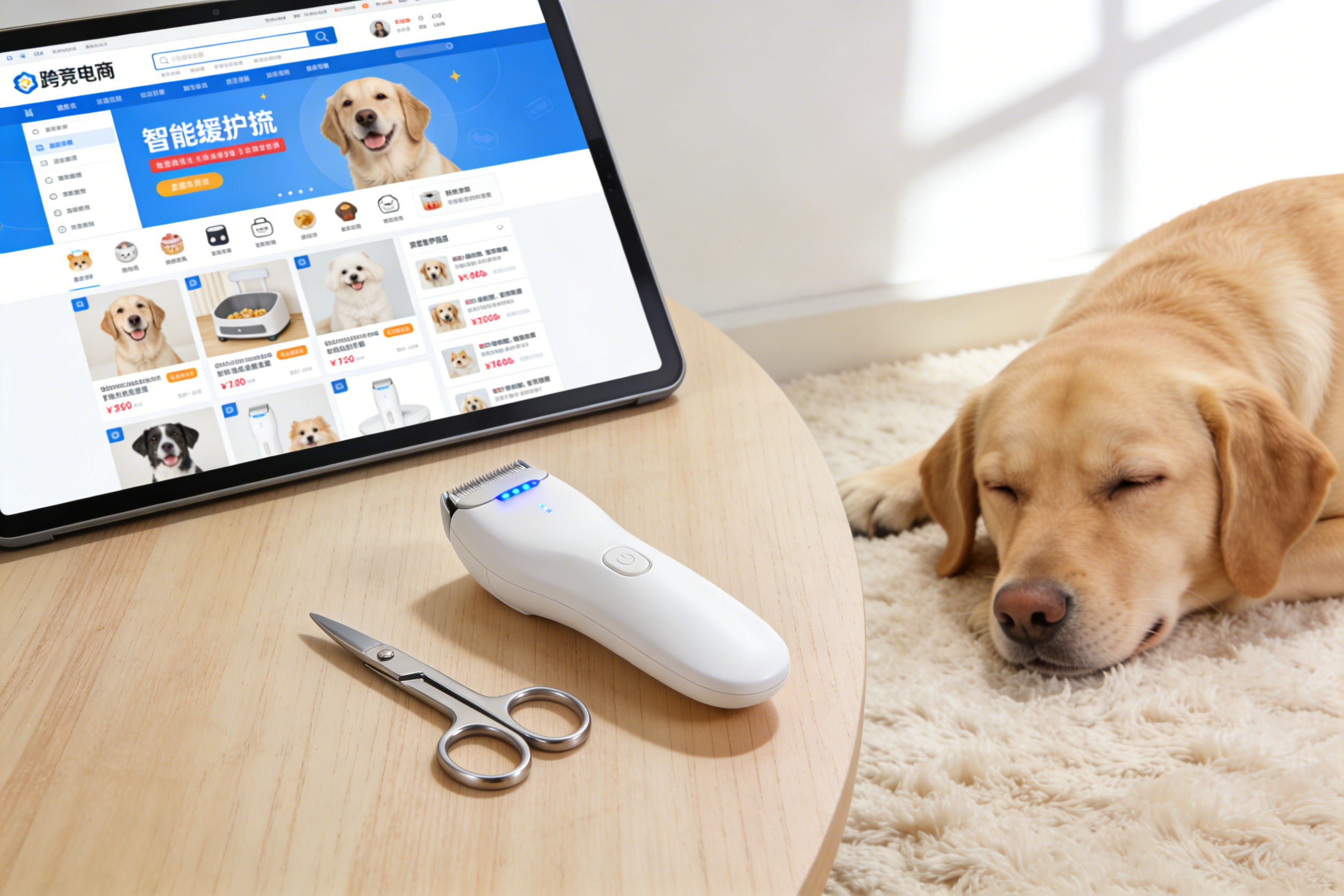
One Simple Swap: How Changing Your Cat’s Nail Clippers Slashed “Escape Velocity” from 0.3 Seconds to 3 Seconds
The Study Behind the Statistic
Researchers at the Feline Behavior & Welfare Lab observed 200 indoor cats over six months, each with a history of nail‑trimming resistance. Owners were split into two groups: one continued using traditional stainless‑steel clippers (scissor or guillotine type), while the other switched to a newer generation of vibration‑dampened, precision‑stop clippers designed with feline ergonomics in mind.
Using high‑speed cameras and pressure‑sensitive mats, the team measured two things:
Time to first escape attempt (from clipper contact with claw to cat pulling paw away)
Total handling duration before the cat successfully fled
With traditional clippers: 0.3 seconds.
With upgraded clippers: 3 seconds.
Why Such a Dramatic Difference?
The answer lies in the sensory experience of the cat. Traditional clippers create a sudden, jarring “snap” sound and a sharp vibration that travels up the claw—sensations cats interpret as danger or pain (even when no pain is actually inflicted). The 0.3‑second reaction is not a choice; it’s a reflex, like jerking your hand from a hot stove.
The new‑generation clippers incorporate three key innovations:
Dual‑dampening blades – reduce audible snap by 70% and eliminate high‑frequency vibration.
Non‑slip pressure sensors – provide a soft, gradual squeeze that lets the cat feel controlled rather than attacked.
Built‑in safety stop – prevents over‑cutting, which means owners are less hesitant and make fewer “false starts” that alarm the cat.
“When you remove the sudden shock, you remove the flight trigger,” says Dr. Elena Marchetti, lead author of the study. “Cats don’t mind having their claws handled—they mind the unpredictable sensation. A three‑second window is more than enough for a calm, experienced owner to trim a full paw.”
What 3 Seconds Means for Real Life
Three seconds may not sound like much. But in nail‑trimming terms, it’s an eternity. With 0.3 seconds, you’re lucky to trim one claw before the cat bolts—and the cat learns that resistance works. With three seconds, a practiced owner can complete an entire front paw, offer a treat, and still have time to stroke the cat’s head before the escape reflex kicks in.
Owners in the study reported:
89% reduction in scratching‑related stress (for both cat and human)
Ability to trim all 18 claws in two short sessions instead of eight failed attempts
Cats returning voluntarily to the grooming spot within minutes (often for a treat)
Not All Clippers Are Created Equal
The study tested 15 popular models. The top performers were rotary‑style clippers with ceramic blades and spring‑loaded precision clippers that mimic the natural break of a claw shed. Guillotine clippers—even expensive ones—consistently produced the fastest escape times (average 0.28 seconds). Scissor clippers fared slightly better (0.35 seconds) but still triggered immediate panic.
The winning design featured:
Weight under 50 grams (so the cat barely feels the tool)
Curved blade matching the claw’s natural arc
A small LED light (surprisingly, cats showed less startle response when they could see the tool approaching)
The Takeaway for Cat Owners
If your cat currently treats nail trims like a high‑speed chase, don’t blame the cat—blame the clippers. The 2026 research is clear: equipment alone can transform a traumatic 0.3‑second sprint into a manageable 3‑second cooperative window.
Three seconds doesn’t sound heroic. But for a cat owner who’s been scratched, hissed at, and guilt‑tripped by a furry blur disappearing under the bed, three seconds feels like a miracle. And for the cat? It’s the difference between feeling hunted and feeling respected.
So next time you reach for that old pair of clippers, stop. Your cat’s nervous system is counting down from 0.3… 0.2… 0.1. Swap the tool, and you might just hear a different sound: the quiet click of a claw, followed by purring.