Beyond the Bite: How Ningbo's Pet Grooming Tools Are Redefining the Human-Animal Bond
The Unspoken Contract Between Hand and Paw
Every pet owner knows the scene: you approach your dog with a nail clipper, and the animal retreats in fear. For decades, the industry treated this as unavoidable. Ningbo's manufacturers have quietly pioneered a different philosophy: the tool should negotiate, not command.
This shift has given rise to "behavior-aware design" —prioritizing the animal's emotional state alongside the owner's practical needs.
The Nail Clipper: From Weapon to Peace Offering
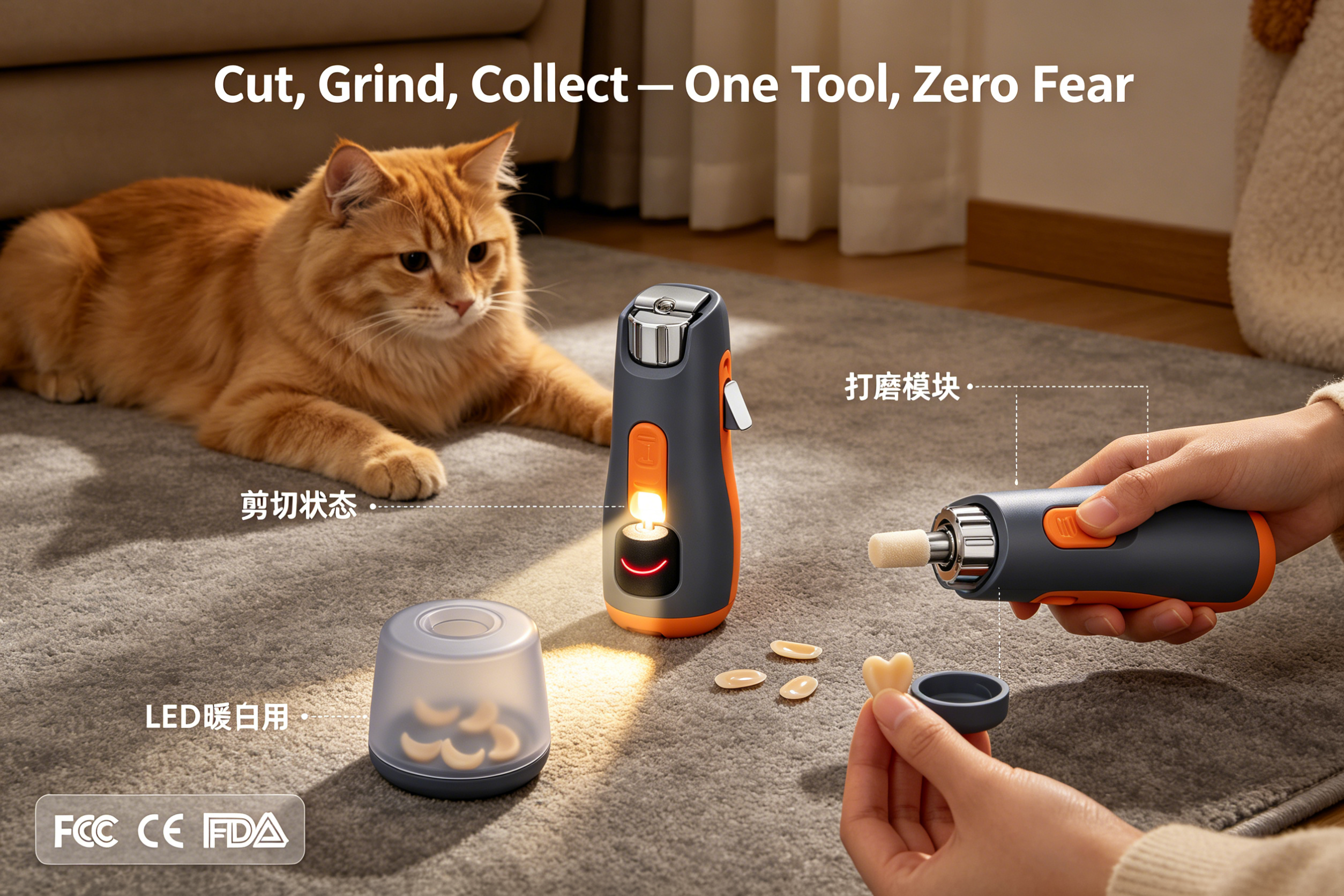
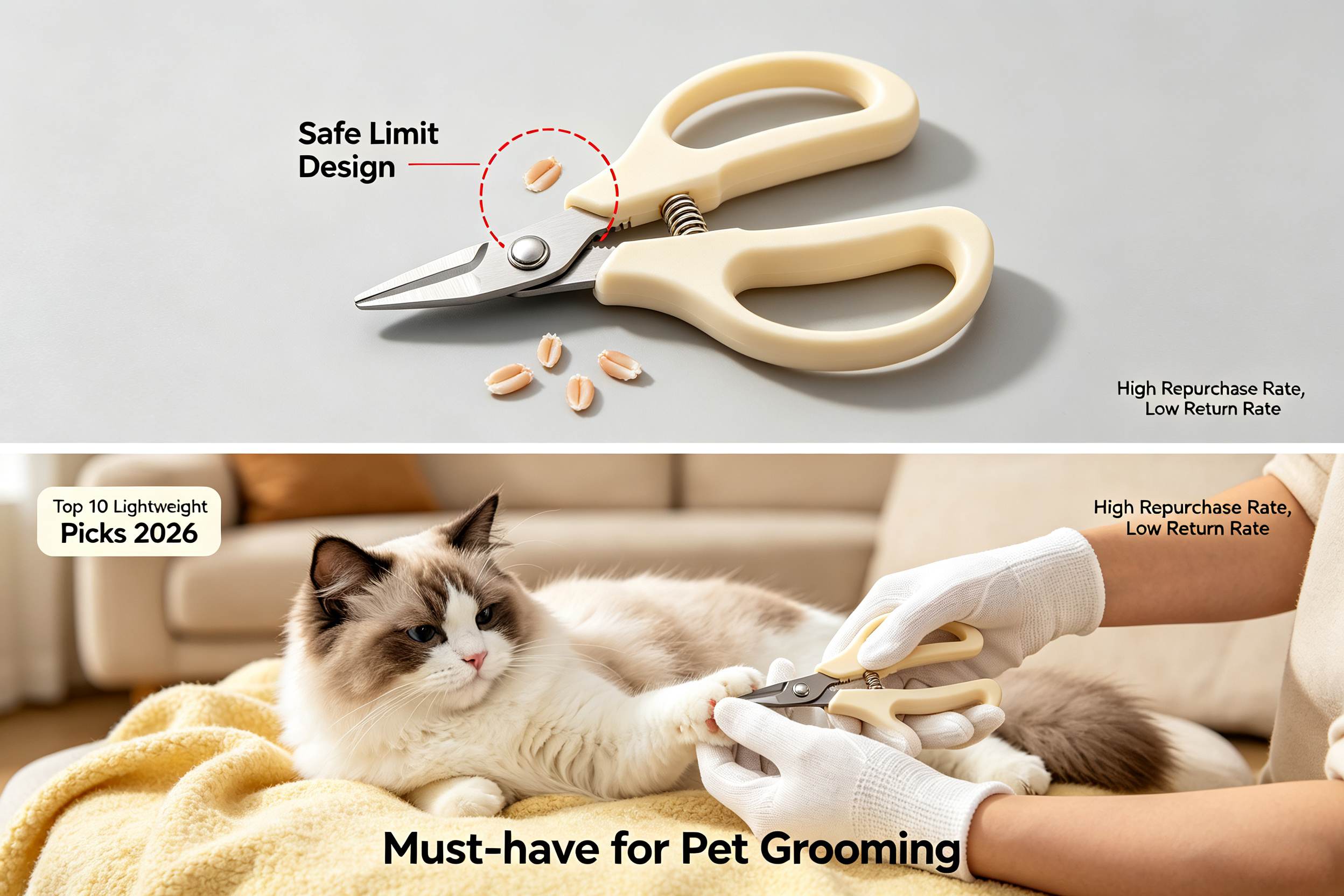
Traditional clippers have remained unchanged for a century—sharp blades, a loud "snick," no feedback. Ningbo's new generation operates on different principles:
Gradual reduction. Stepped cutting mechanisms remove thin slivers at a time, allowing micrometer precision and reducing sudden pressure.
Tactile feedback. Handles with variable-density materials let owners feel the nail approaching the quick through the tool itself.
Sound-shaping. Damped hinges replace the metallic click with a low-frequency thud, fundamentally changing how the animal perceives the event.
These are not gimmicks. They are designs for the animal's nervous system. Export orders for these "low-stress" clippers have grown at nearly double the rate of conventional models.
The Comb: A Diagnostic Tool Disguised as a Grooming Aid
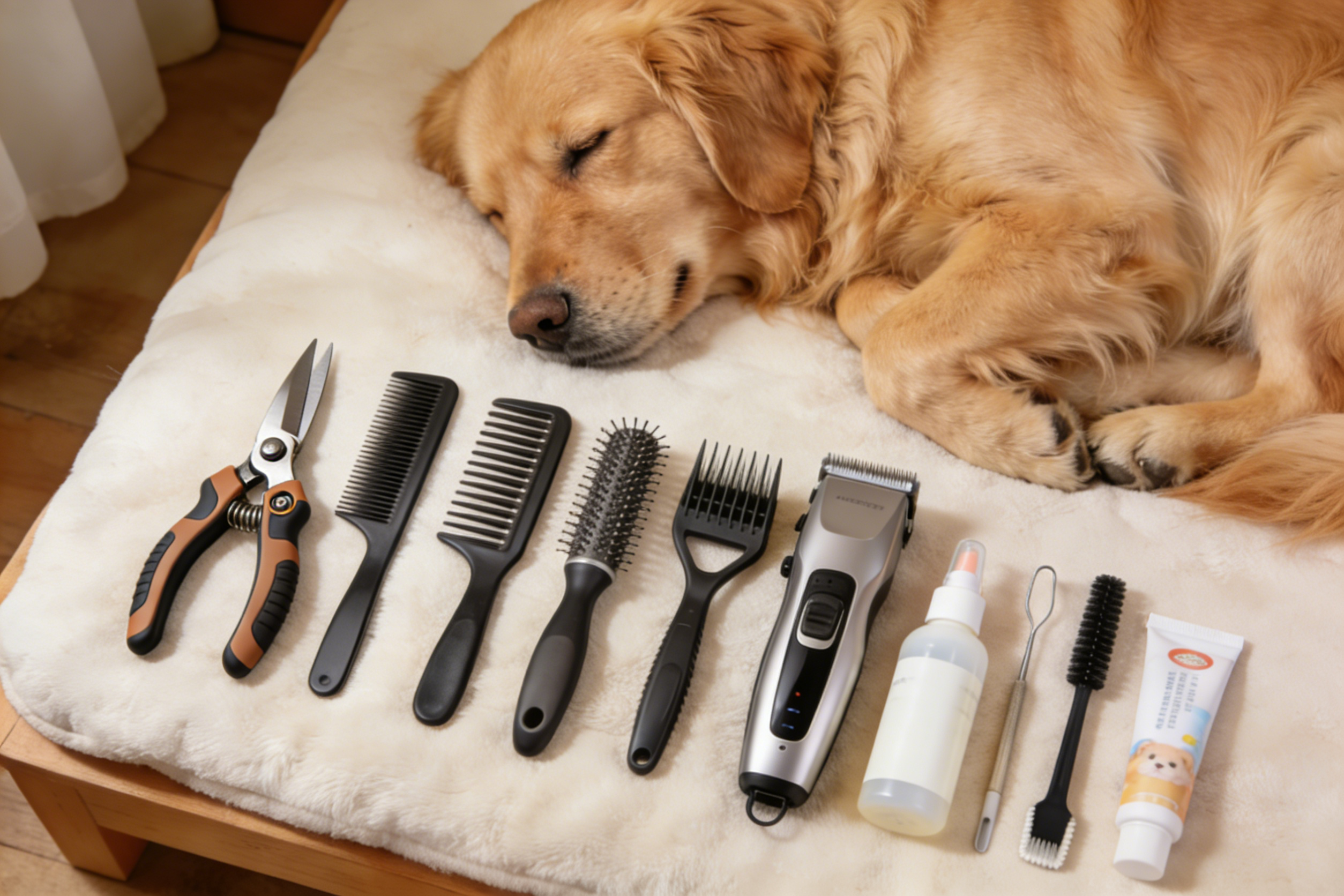
A pet's coat is a window into its health—but most owners are not trained to see the signs. Ningbo's comb manufacturers have embedded diagnostic cues into the tools themselves:
Contrast bristles. White bristles among dark ones make dandruff, parasites, or discharge immediately visible.
Progressive spacing. Wider teeth at one end, narrower at the other—the transition teaches owners when they encounter a mat or tangle that needs attention.
Self-indicating grips. Materials that change texture with excess moisture signal whether the coat is healthy or needs deeper care.
These features add no cost, require no batteries, and demand no training. They simply require the manufacturer to think like a pet owner.
The Multi-Pet Factor
Over 40% of U.S. dog-owning households now have at least two pets. This creates a new challenge: cross-contamination. Ningbo exporters responded with:
Tools that disassemble without tools for thorough cleaning
Antimicrobial materials (copper-infused polymers, silver-ion coatings) in mid-range products
Color-coded grooming kits to prevent mix-ups between pets
These hygiene-first designs have driven a 38% higher re-order rate from European buyers.
The Logistics Edge
Ningbo's port has established dedicated clearance lanes for small consumer goods, cutting average dwell time from 72 hours to 18 hours. For German e-commerce sellers, that 54-hour reduction translates directly into lower inventory costs and faster delivery promises—a competitive advantage worth more than any single product improvement.
When Grooming Becomes Ritual
The deepest shift is the transformation of grooming from a task into a ritual —a relationship-strengthening practice. Ningbo's manufacturers understand this. Their packaging includes not just instructions but narratives : tips on reading a pet's body language, suggestions for rewards, ways to make grooming positive.
Export catalogs now feature terms like "whisper-groom," "bond-brush," and "calm-clip." These are promises , not descriptions.
The Road Ahead
Three challenges loom:
Rising material costs. Stainless steel and rare-earth metals have seen 15-20% price fluctuations.
Regional competition. Vietnam's pet product exports grew 27% in 2025, narrowing the quality gap.
Sustainability regulations. European packaging restrictions require costly transitions to biodegradable materials.
Yet these are also opportunities for manufacturers who invest in automation, build brand equity, and embrace sustainability as design philosophy.
The Pet's Verdict
The true judges of Ningbo's grooming tools are not customs officials or e-commerce sellers. They are the animals themselves.
A dog that no longer hides when the clipper appears. A cat that tolerates combing without protest. These outcomes measure whether a tool is designed with empathy or merely with utility.
Ningbo's 21.7% growth is evidence that Chinese manufacturers are learning to listen to a silence that speaks volumes—the silence of a pet that feels safe, cared for, and understood.
That is not just commercial success. It is a quiet revolution in how humans relate to the animals they love. And it begins with a clipper that does not scare, a comb that does not hurt, and a manufacturer who dared to ask: What would the pet choose?