Beyond the Quick: Why Safety-Centric Nail Clippers Have Become the Non-Negotiable Tool for Modern Pet Owners
The Behavioral Problem Nobody Wanted to Admit
Ask any veterinarian about the most stressful routine procedure, and nail trims consistently rank above injections, blood draws, and even the dreaded rectal thermometer. A candid essay from a practicing vet put it bluntly: "My canine patients hate having their claws clipped more than any other routine procedure. A sizable percentage must be forcefully restrained".
This isn't merely anecdotal. The psychological damage of a botched trim—a cut into the quick, the sensitive vascular core of the nail—can permanently poison a pet's association with handling. A single painful experience can transform a cooperative dog into one that trembles at the sight of clippers for years. As one veterinary surgeon noted, "Even if your dog's nails are only trimmed too short once, the memory of the pain can stay with them forever".
The solution, increasingly, has been to stop treating the animal as the problem and start treating the tool as the intervention.
What "Safety-Centric" Actually Means in 2026
The modern pet nail clipper is no longer a simple guillotine. Walk through the current bestseller landscape, and a clear design philosophy emerges: remove the guesswork, reduce the pressure, and make the quick visible.
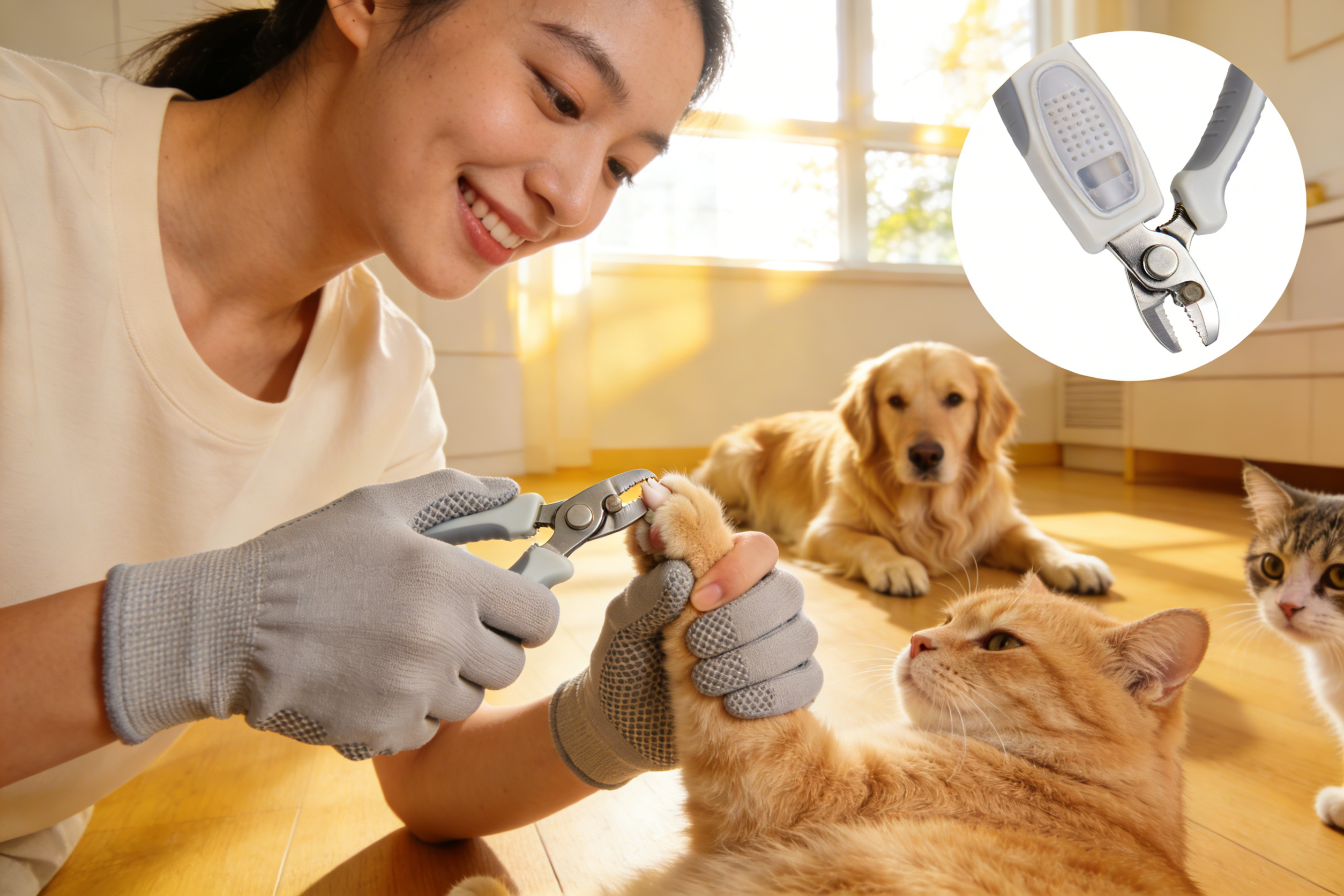
LED Illumination. The single most consequential innovation in the category. On lighter or semi-opaque nails, a built-in LED light makes the quick—the pinkish bloodline running through the nail—visible to the naked eye. For owners who once lived in fear of cutting too deep, this feature alone shifts the emotional calculus from anxiety to confidence. One reviewer described the effect succinctly: "Being able to see exactly where I was cutting allowed me to work faster and more accurately, which reduced the overall stress of the session".
Adjustable Safety Guards. The second pillar of the safety revolution is the physical stop. Rather than relying on the user's judgment about how much nail to remove, adjustable guards let owners set the cutting depth in millimeters, creating a hard barrier against overcutting. Premium models now offer guard distances ranging from 3mm to 10mm, adapting to different nail lengths and pet sizes.
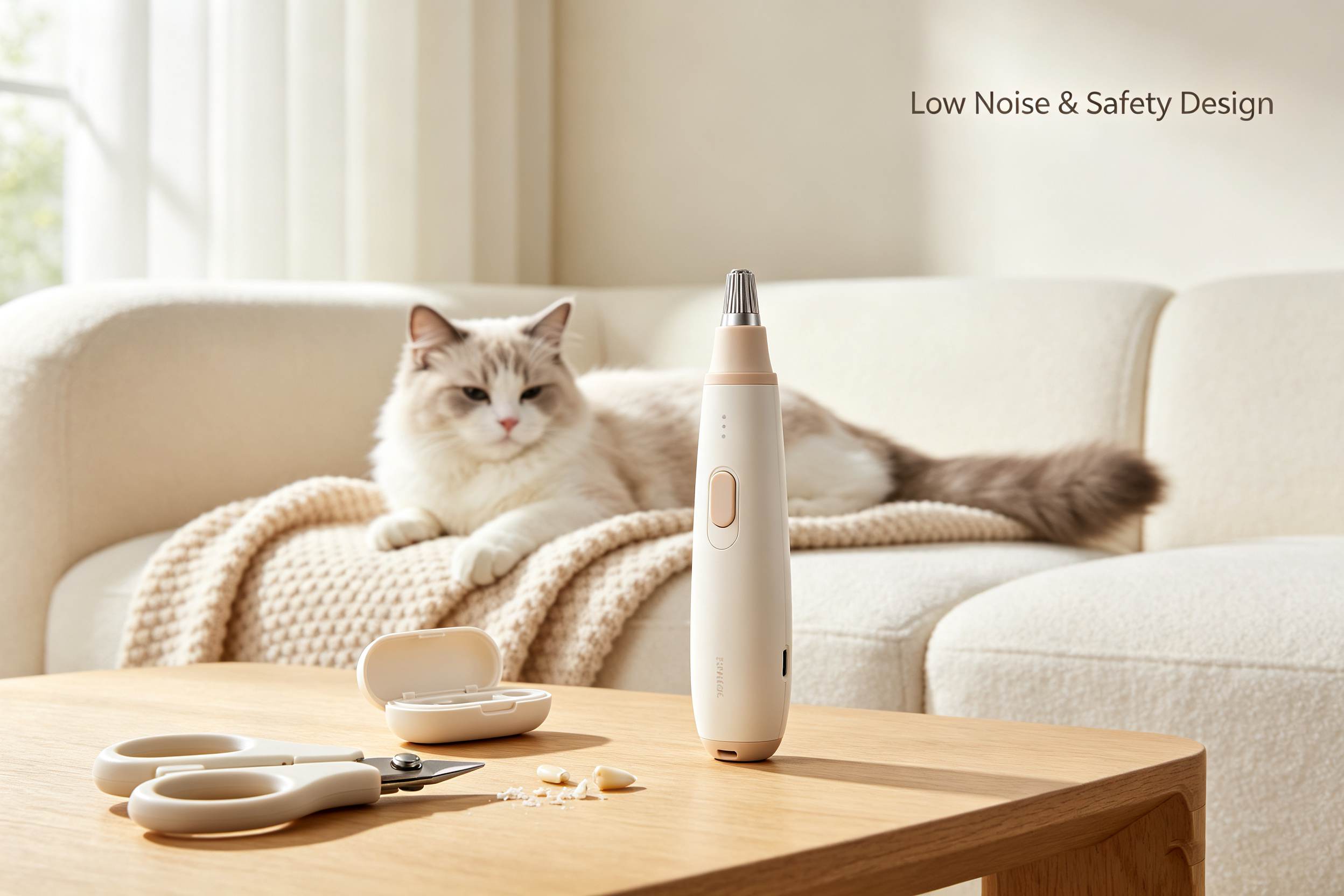
Quiet Operation. For noise-sensitive animals, the sound of the blade engaging is often more terrifying than the sensation. The shift toward whisper-quiet mechanisms and rechargeable grinders addresses a behavioral reality that traditional clippers ignored: the anticipatory fear triggered by sound alone.
These features aren't marketing flourishes. They're responses to documented behavioral pain points, and their commercial performance validates the approach. The top-selling small dog clipper on Amazon in August 2026 moved 79,000 units in a single month. A quiet nail grinder with four LED lights and three grinding bits sold 20,000 units monthly. Safety isn't a premium upsell—it's the baseline expectation.
The Market Is Splitting—and Safety Is Driving the Split
Data on product type reveals a market segmenting not by price alone but by the specific safety needs of different pet owners.
Scissor-style clippers dominate in China with an estimated 45–55% share of units sold, favored for their precision and control—particularly among cat owners who need to navigate smaller, more delicate nails. Guillotine-style clippers hold 25–30% of the market, popular for small dogs where a clean, single cut reduces the risk of nail splitting. Pliers-style models, designed for the thick nails of larger breeds, account for another 15–20%.
But the most revealing segment is the multifunction kit, which combines multiple clipper types in a single package and is growing at a 15–20% compound annual rate. This isn't just a product trend—it's a signal that households are increasingly multi-pet, and owners are seeking versatility without compromising on the safety features tailored to each animal's needs.
Price architecture tells a parallel story. The ultra-value tier ($3–$7) remains dominated by basic carbon-steel clippers with no safety features. But the premium feature-enhanced tier ($16–$25)—LED lighting, quick sensors, non-slip grips, adjustable guards—is where domestic brands are aggressively competing with legacy imports. Consumers aren't just willing to pay for safety; they're actively seeking it out.
The Behavioral Science Behind the Tool
The most sophisticated clipper design is worthless if the animal won't tolerate being handled. This is where the category intersects with behavioral science in ways that traditional pet product marketing rarely acknowledges.
Veterinary behaviorists have long advocated for gradual desensitization: touching paws, introducing the tool without using it, rewarding calm behavior, and trimming just one nail at a time before building up. The tool itself can either support or sabotage this process. A loud, clumsy clipper that requires force to operate undermines weeks of patient conditioning. A quiet, ergonomic tool that allows the owner to work quickly and confidently reinforces it.
This is why the shift toward "stress-free grooming" as a marketing category matters. It's not just about the pet's comfort—it's about the owner's confidence. An owner who feels in control is an owner who trims consistently rather than avoiding the task until the nails become a problem.
What Comes Next: Smart Features and Subscription Models
The next phase of the safety revolution is already visible at the edges of the market. "Smart" nail trimmers with Bluetooth-connected nail-length sensors remain nascent—fewer than 5% of product listings feature such functionality—but industry analysts expect this segment to grow as pet tech matures.
Equally significant is the subscription model for grooming essentials. The Insight Partners report identifies "pet daily grooming necessity subscription services" as a key market opportunity, reflecting a broader shift in how consumers prefer to buy and receive pet care products. Rather than one-off purchases, owners increasingly want curated, replenished kits that eliminate the friction of remembering to reorder.
Environmental considerations are also entering the conversation. Biodegradable materials, recycled packaging, and sustainably sourced stainless steel are transitioning from niche differentiators to mainstream expectations, particularly among younger pet owners who apply the same ethical standards to their pets' products as they do to their own.
The Bottom Line for Retailers and Brands
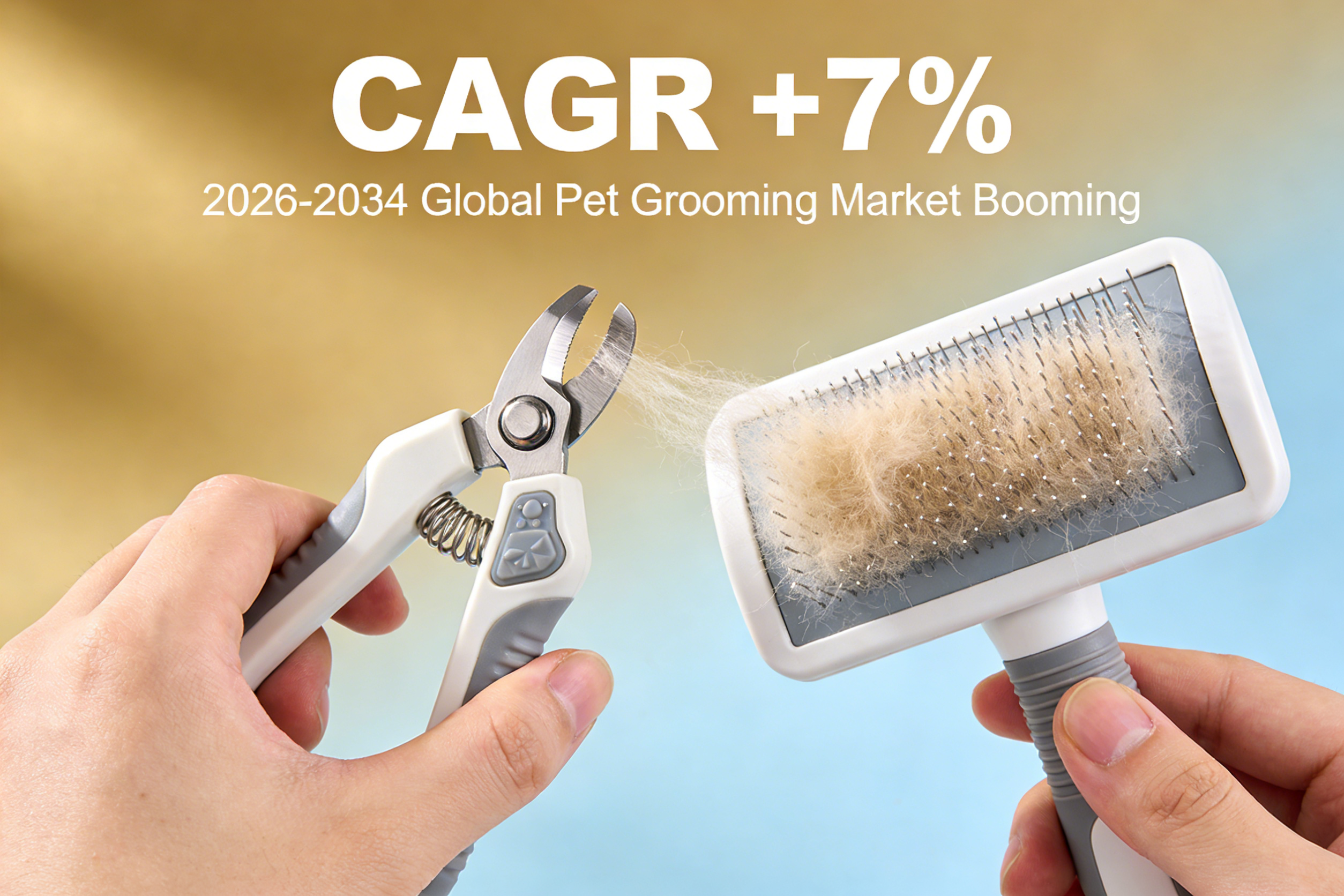
The pet nail clipper market is growing at a steady 7.27% CAGR, but the growth is not evenly distributed. Basic clippers compete on price in a race to the bottom. Safety-enhanced tools compete on trust, and trust commands a premium.
For retailers, the message from the data is unambiguous: stock the tools that make the quick visible and the cut controllable. For brands, the opportunity lies in understanding that the purchase decision is emotional, not functional. The buyer isn't simply acquiring a grooming tool. They're acquiring the confidence to do something they've been afraid of, and the reassurance that their pet won't suffer for it.
The nail trim has always been about more than nails. It's about the relationship between a pet and the person who cares for them. The tools that succeed in 2026 and beyond will be those that recognize this and design accordingly.