Fear of Cutting the Quick? TikTok’s Viral "Pet Safety Nail Clipper" Sold by Chinese Sellers, Revealing a Billion-Dollar Anxiety Economy
The Pet Care Anxiety Behind Millions of Views
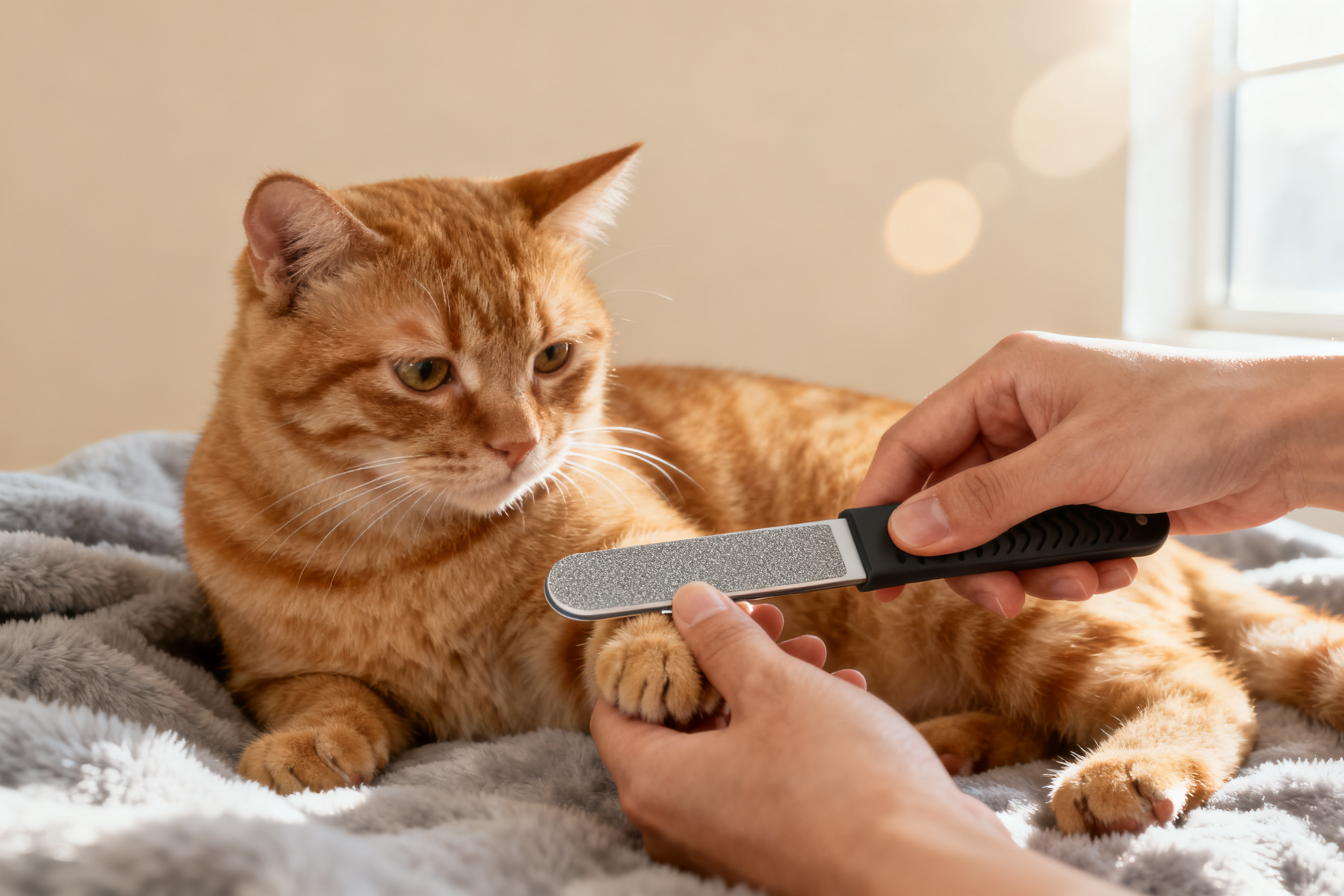
“Every time I trim my cat’s nails, it feels like a battle,” “My dog ignored me for three days after I accidentally cut the quick”… Such common anxieties among pet owners are amplified through short video platforms. In these clips, a calm cat lies quietly in its owner’s arms while a specially designed safety nail clipper precisely trims its nails, avoiding the red quick entirely. This visual contrast strikes directly at the pain points of pet owners worldwide.
The growing number of pet owners and the elevated status of pets have given rise to a trend of “refined pet care.” According to the 2023 Global Pet Market White Paper, the global pet care market has surpassed $300 billion, with the pet grooming tools category growing at an annual rate of 24%. Nail care, as a fundamental aspect, has become a focal point for anxiety.
Chinese Sellers’ “Micro-Innovation” Breakthrough
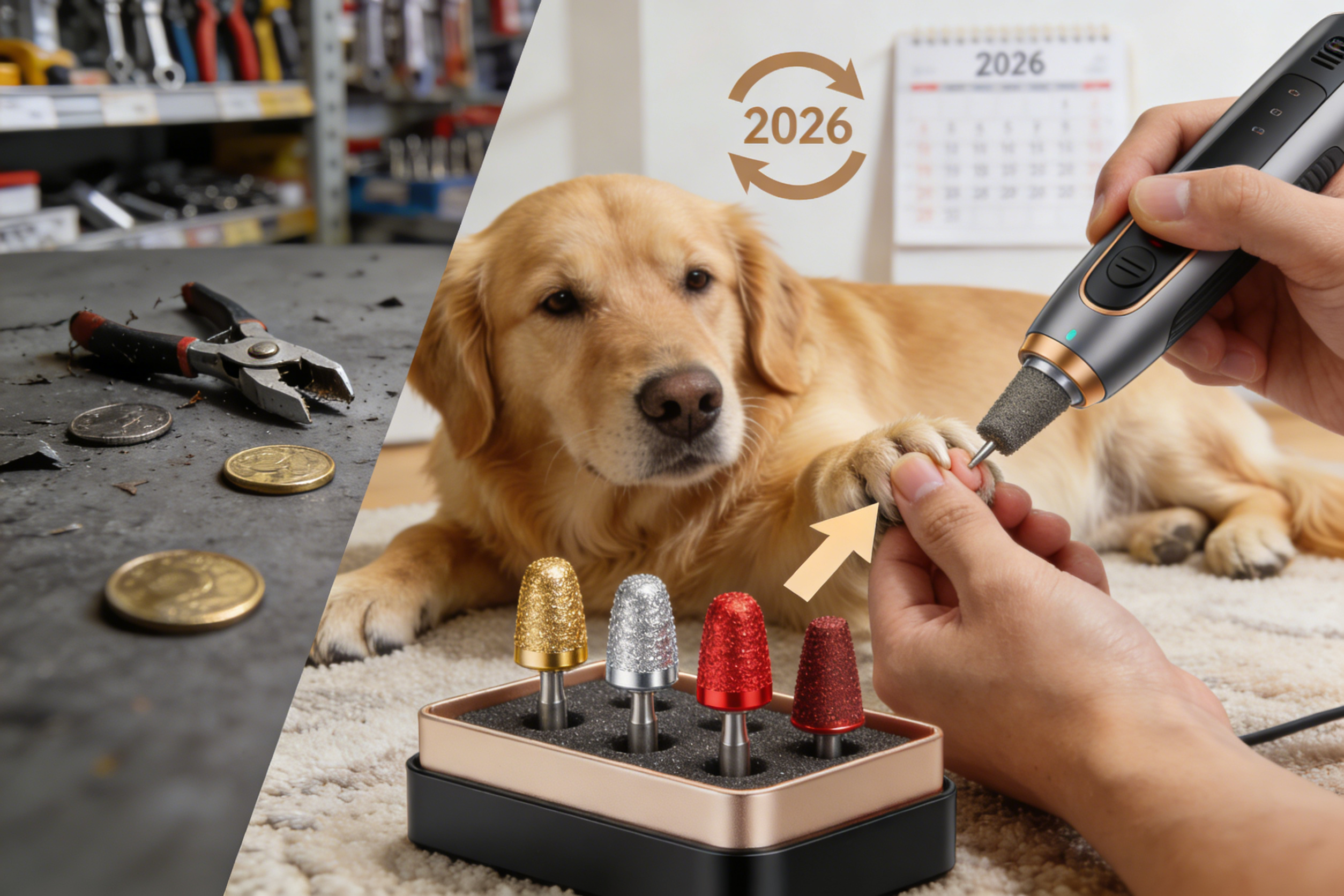
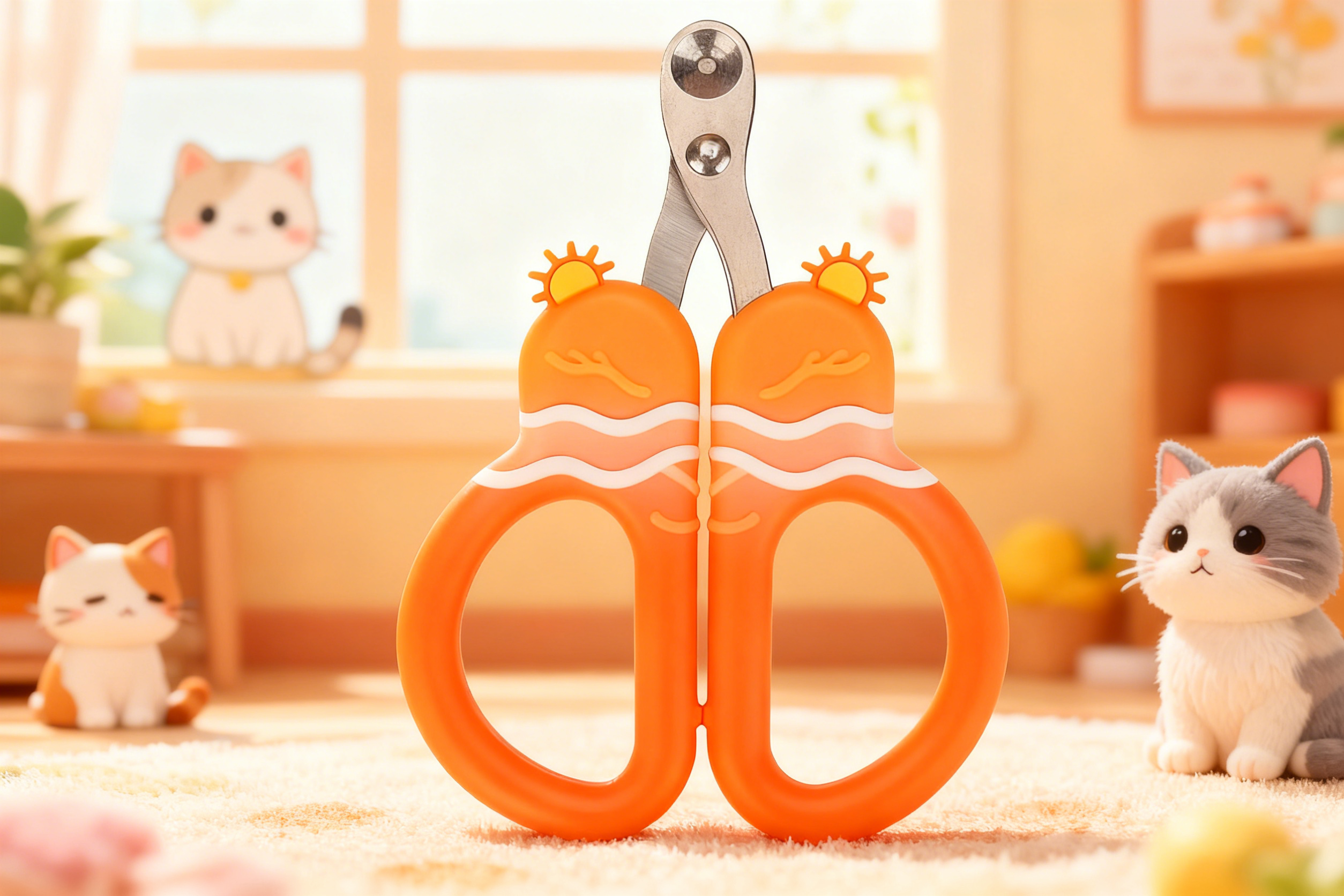
This viral “pet safety nail clipper” is not a major technological breakthrough but a typical example of product micro-innovation. Traditional pet nail clippers are often just enlarged versions of human nail clippers, while the new product incorporates features such as depth limiters, LED lights, magnifiers, and quick detection indicators, embedding a “foolproof” design throughout.
“We studied hundreds of pet nail clippers on the market and found that the biggest concern for most pet owners was cutting the quick,” said Li Tao, a product manager at a pet supplies company in Zhejiang. “Our design team spent three months testing the nail structures of different pet breeds to determine the safest trimming depth.”
The agility of China’s supply chain is on full display in this process. From the viral TikTok videos to the first batch of products listed on Amazon, Chinese sellers take an average of just 21 days. One factory in Dongguan even set a record of nine days from receiving an order to shipping.
The Billion-Dollar “Anxiety Economy”
The popularity of the pet safety nail clipper is just the tip of the iceberg. Behind it lies the rise of the entire “pet anxiety economy”—pet owners are willing to pay to alleviate various anxieties related to pet care.
A search on e-commerce platforms reveals a proliferation of similar products targeting specific anxieties: slow-feeder bowls to prevent choking, anti-chewing surveillance cameras, separation anxiety relief toys, precision feeders to prevent obesity… Each product addresses a specific pet care anxiety.
“Modern pet owners treat their pets as family members. They are no longer satisfied with basic feeding needs but seek safer, more scientific ways of care,” analyzed animal behaviorist Wang Min. “This emotional projection has fueled a strong demand for ‘zero-risk’ pet products.”
Industry estimates suggest that in the Chinese market alone, sales of products addressing pet safety anxieties have exceeded 10 billion yuan annually, growing at a rate of over 30% each year. The global market is more than five times this size.
Cold Reflections Behind Rational Prosperity
Amid this prosperity, however, experts offer more cautious observations.
“Some products do address genuine pain points, but others are creating anxiety and manufacturing demand,” said pet industry analyst Zhang Lin. “For example, some ‘high-tech’ products merely add unnecessary features while raising the price several times over.”
Additionally, product safety cannot be overlooked. The influx of “safety nail clippers” on the market varies widely in quality. Some depth limiters are poorly designed, making the tool harder to use; others have LED lights that overheat and could burn pets.
“Innovation in pet products should be based on a genuine understanding of animal behavior and needs, not just marketing gimmicks,” Zhang Lin advised consumers to focus more on the scientific and practical design of products rather than chasing viral trends.
Future Trends: From Tools to Ecosystems
As the pet economy evolves, single-tool products are transitioning into systematic solutions. Some leading brands have begun developing smart pet health ecosystems, digitizing tools for nail care, fur grooming, and oral hygiene, and offering personalized care recommendations via apps.
“Future pet care products will not exist in isolation,” Li Tao revealed. “We are developing a system that records nail growth rates and automatically suggests trimming schedules. Pet care is becoming as detailed as human health management.”
From a simple nail clipper, we see not just the success of a product but a shift in consumer mindset—as the emotional bond between humans and pets deepens, alleviating pet care anxieties has become big business. The agility and micro-innovation capabilities of China’s supply chain are making it easier for pet owners worldwide to express their love for their furry companions.