From Grooming to Clipping: How Cold Plasma Technology Could Redefine the Pet Nail Care Market
The Cold Plasma Brush: A Proof of Concept the Industry Can’t Ignore
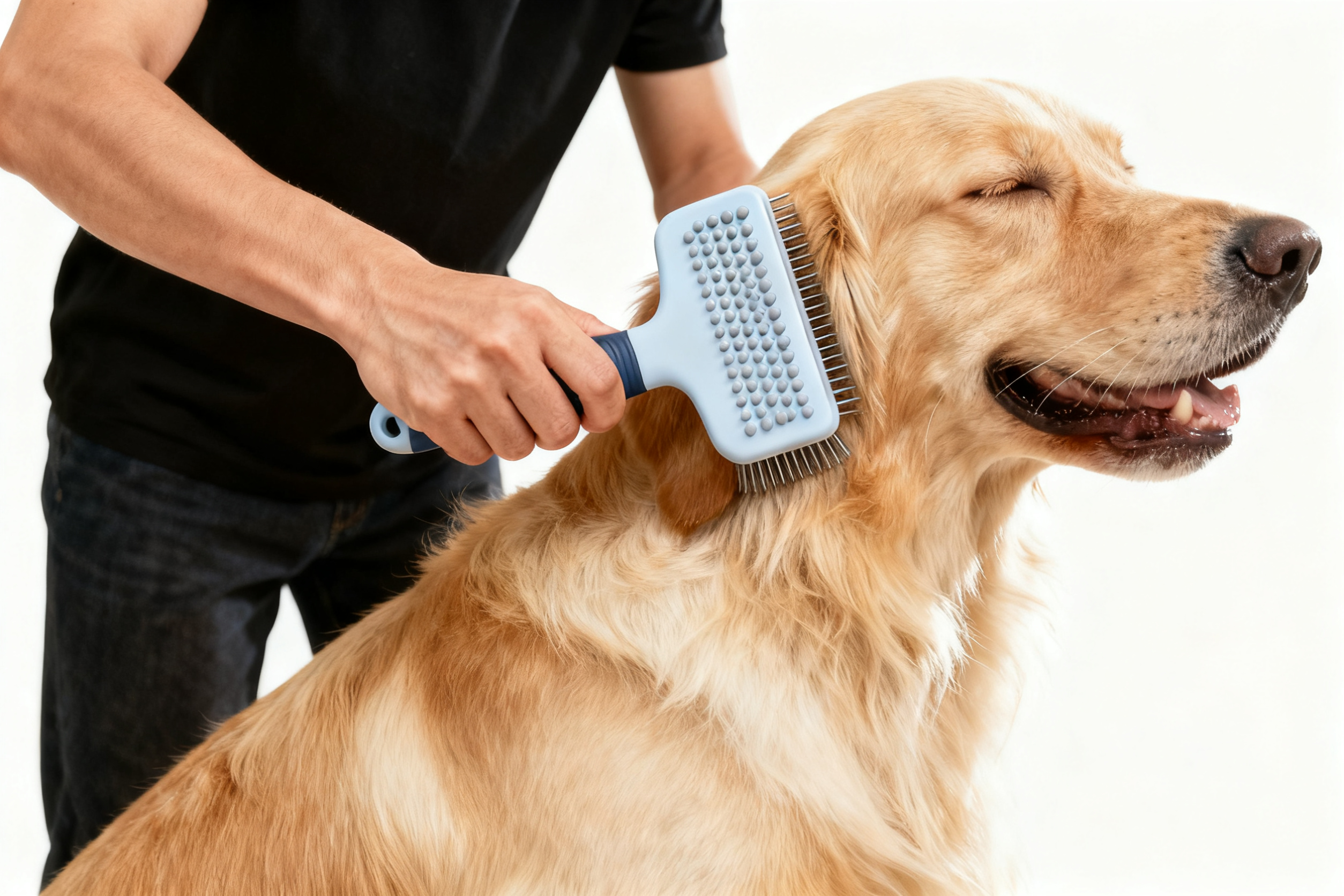
Before examining the nail clipper opportunity, it’s worth understanding exactly what cold plasma has already achieved in the pet care space. In early 2026, a research team from Zhejiang University’s Huzhou Institute commercialized a cold plasma pet grooming brush that did something remarkable: it convinced North American pet owners to pay roughly ten times the price of a conventional brush.
The product’s original crowdfunding target was a modest $3,000. It closed with nearly $30,000 in orders. The brush works by releasing high-energy active particles that destroy bacterial cell membranes with a claimed 99.9% sterilization rate, while simultaneously breaking down oil and odor molecules at their source. User reviews were unusually enthusiastic for a pet gadget—“the odor removal is excellent,” one buyer wrote, “it smells like sunshine”.
The significance goes beyond one product. It demonstrated that pet owners are not merely price-sensitive shoppers. When a technology addresses an intractable problem—in this case, persistent pet odor that chemical sprays and frequent baths can’t fully solve—they will pay a substantial premium.
The Nail Care Problem: Largely Unsolved
Nail care is arguably the most stressful routine procedure in pet ownership, and the market has done remarkably little to innovate around its core challenges.
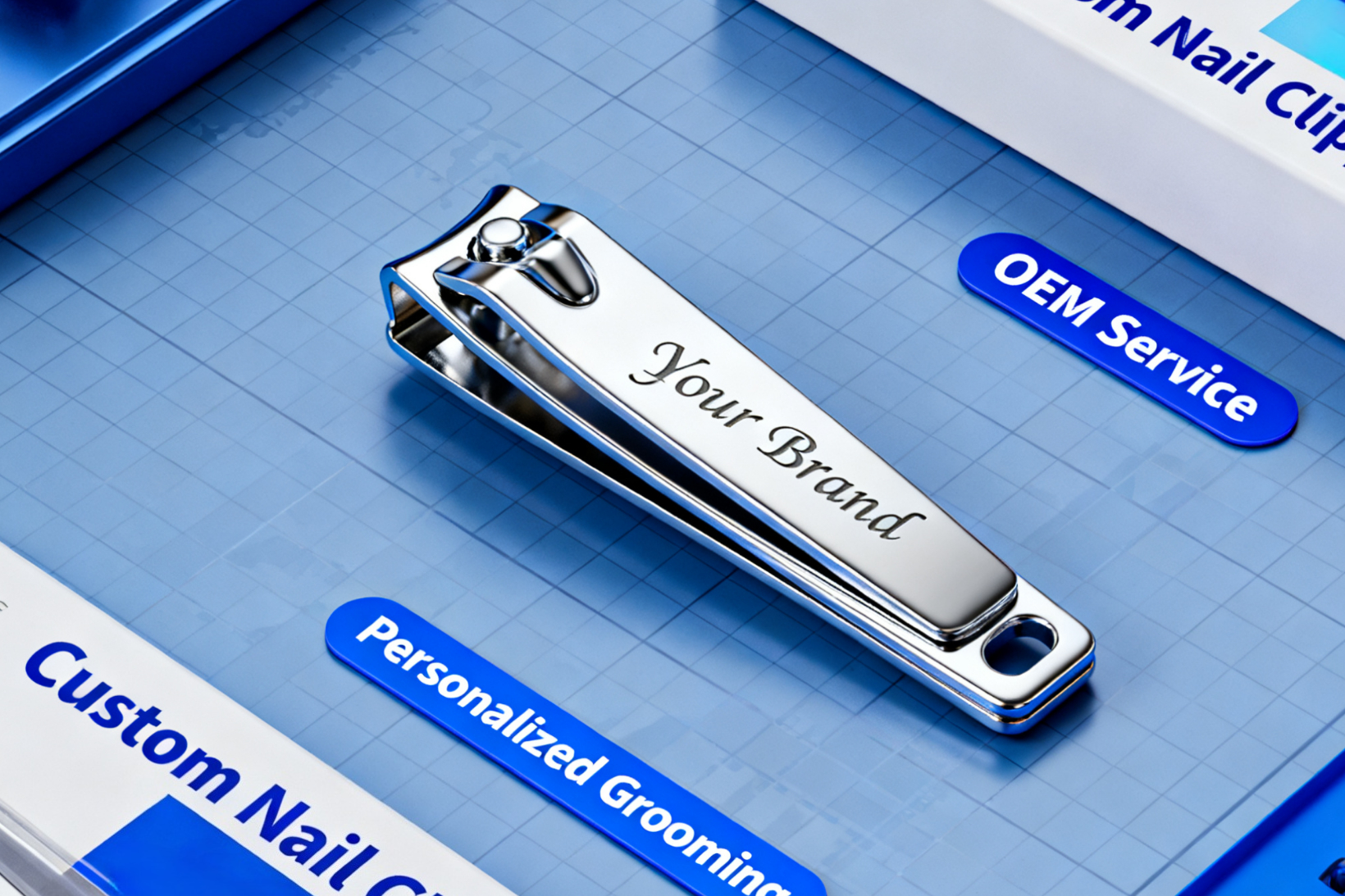
The global pet nail clipper market was valued at approximately $86 million in 2025 and is projected to reach $162 million by 2034, growing at a compound annual rate of about 7.3%. Yet the product category remains strikingly primitive. Most clippers are variations on the same theme: a sharp blade, a handle, and occasionally an LED light to help locate the quick.
The actual pain points are well documented. Cutting the quick—the sensitive blood vessel inside the nail—is the most common injury in home nail trimming, causing bleeding, pain, and often a lasting aversion to nail care in both pet and owner. Nail dust and debris from grinding creates a mess and potential respiratory irritation. And for many pets, the sound and vibration of clippers triggers genuine anxiety.
Current “premium” solutions cluster around $26 to $40 and add features like quiet motors, LED lights, and safety guards. These are incremental improvements. None represent a paradigm shift.
Cold Plasma Meets Nails: The Technical Rationale
Cold plasma technology is not a theoretical fit for nail care. It is, in fact, already being used in human podiatry and veterinary medicine for precisely the kinds of conditions that afflict pet nails.
Cold atmospheric plasma generates a mix of reactive oxygen and nitrogen species at temperatures around 38°C—safe for direct skin contact. These reactive species have demonstrated broad antimicrobial efficacy against bacteria, fungi, and even biofilms, and their physical mode of action means antimicrobial resistance is not a concern.
This matters for nails because the space under and around a pet’s nail is a microbial haven. Fungal infections of the nail bed—onychomycosis in humans, analogous conditions in animals—are notoriously difficult to treat. Research has shown that cold plasma can eliminate Candida albicans and Trichophyton mentagrophytes, two common fungal pathogens, even when applied through the nail plate. A separate study demonstrated that cold plasma treatment through cadaver nails achieved near-complete fungal elimination at sufficient doses.
For dogs and cats, the implications extend beyond infection control. Interdigital dermatitis—often called pododermatitis—is a common and frustrating condition in dogs, particularly breeds with folded skin or allergies. Cold plasma therapy has been shown to rapidly reduce bacterial and fungal loads in these hard-to-reach areas while promoting tissue regeneration. Veterinary cold plasma devices are already being deployed for podological problems including claw and hoof infections.
The gap, then, is not scientific feasibility. It is productization. No one has yet built a consumer-friendly, handheld cold plasma device specifically for pet nail care.
What a Cold Plasma Nail Care Device Could Look Like
Based on the existing brush architecture and veterinary cold plasma devices, a plausible consumer product would integrate several functions:
Therapeutic antimicrobial action. A cold plasma emitter positioned near the nail bed could deliver reactive species to the quick and surrounding tissue during or immediately after clipping. This would not prevent quick injuries—that requires precision and skill—but it could dramatically reduce post-trim infection risk and accelerate healing of minor nicks. For pets with chronic nail-bed issues, a cold plasma component could provide ongoing therapeutic benefit between veterinary visits.
Odor and biofilm control. The same mechanism that makes the cold plasma brush effective against coat odor—decomposition of bacterial metabolites—applies to the distinctive smell of infected or irritated nail beds. For pets prone to licking and chewing at their paws, breaking the bacterial cycle could reduce the behavior itself.
Regenerative support. Cold plasma has been shown to stimulate cell proliferation and migration, promote collagen synthesis, and enhance microcirculation. In a nail care context, this could translate to faster recovery from minor trauma and healthier nail growth over time.
The challenge is engineering. Cold plasma generation requires high voltage and precise dielectric barrier discharge architecture. Miniaturizing this into a clipper or grinder form factor while maintaining battery life and safety certifications would be non-trivial. But the brush proved it can be done in a comb. A nail device is arguably a simpler geometric problem—the treatment area is smaller and the device can be positioned more directly.
The Market Question: Will Owners Pay 10x for Nail Care?
The cold plasma brush’s success suggests a segment of pet owners will pay a premium for technology that works. But nail care differs from grooming in one critical respect: it is more often outsourced to professionals.
Groomers and veterinary clinics handle nail trimming for a substantial portion of pet owners, particularly those with anxious or difficult pets. The household segment accounts for over 90% of portable clipper consumption in China, but professional groomers and vet clinics purchase clippers as backup tools—a small fraction of volume.
This dual market structure creates two distinct opportunities. For consumers, a cold plasma nail device would need to make home trimming less intimidating and more forgiving—not just a better clipper, but a tool that reduces the consequences of imperfect technique. For professionals, the value proposition would center on therapeutic outcomes: a device that not only trims but treats, potentially reducing return visits for nail-related infections and pododermatitis.
The cold plasma brush’s crowdfunding backers were not bargain hunters. They were owners frustrated enough by persistent odor to invest in an unproven technology from a crowdfunding platform. The nail care equivalent—owners whose pets suffer from chronic paw licking, recurrent infections, or severe anxiety around trimming—represents a comparably motivated niche.
The Path Forward
The cold plasma brush was not a fluke. It was the product of a deliberate strategy: identify a persistent pet care problem that chemical and mechanical solutions have failed to solve, apply advanced technology from adjacent fields, and validate willingness to pay through crowdfunding before scaling to Amazon.
Nail care fits that template almost perfectly. The problems are persistent. The existing solutions are stagnant. The underlying technology is already validated in veterinary and human medical contexts. The brush has demonstrated that the market will reward genuine innovation with premium pricing.
What remains is execution. A cold plasma nail care device would need to solve engineering challenges around miniaturization and safety, navigate the regulatory distinction between grooming tools and medical devices, and convince owners that nail care is worth the same investment they made in grooming.
The $86 million nail clipper market may not seem like an obvious target for disruption. But neither did the grooming brush market before someone sold a $60 comb to 290 backers and proved that cold plasma could turn a commodity into a category.